


What’s a good-looking person like you doing on a site like this? Who hasn’t heard a cheesy pick-up line like this? These days, almost everyone knows at least one couple who met online. According to The Knot Real Weddings Study, 29% of married couples surveyed said they met through an online dating site.
Dating apps have revolutionized how people connect, and their popularity shows no signs of slowing down. Driven by sustained global revenue growth, the mobile app market remains a highly attractive space for new entrants.
But how hard is it to make a dating app that stands out? In this guide, we’ll explore the dating app development process, from understanding the market to building key features that drive user engagement.
We’ll also discuss what makes a dating app successful and share insights into monetization strategies, costs, and the technologies you’ll need to create a winning product. With clear steps and practical tools, this guide takes you through the process of turning your dating app idea into a reality.
Reasons to Develop a Dating App ASAP
Are you a WiFi signal? Because I'm feeling a strong connection here.

The online dating industry has come a long way — from mail-order bride services to the introduction of dating websites in the 1990s and now to the rise of mobile dating apps.
With people spending more time on their phones than ever, dating apps have become an integral part of how we connect, offering a convenient and engaging way to meet potential partners.
So why develop a dating app?
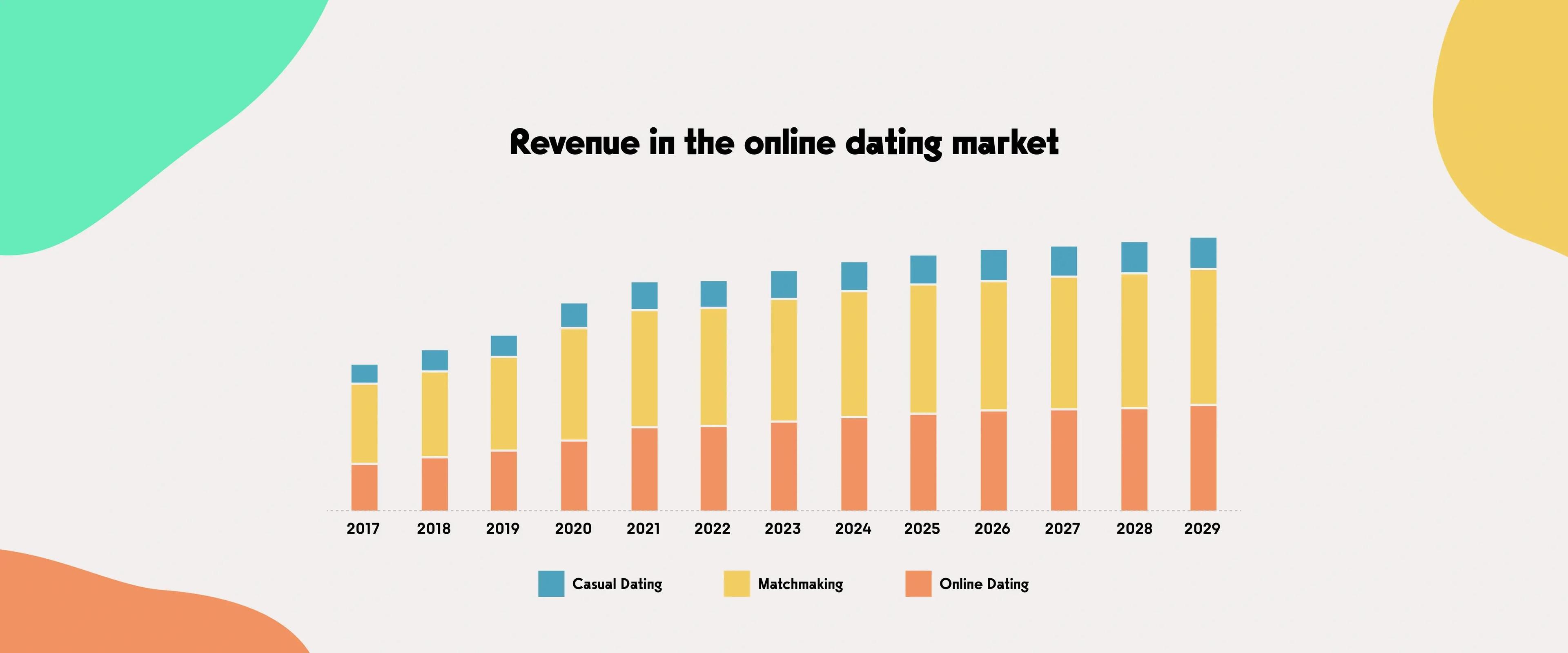
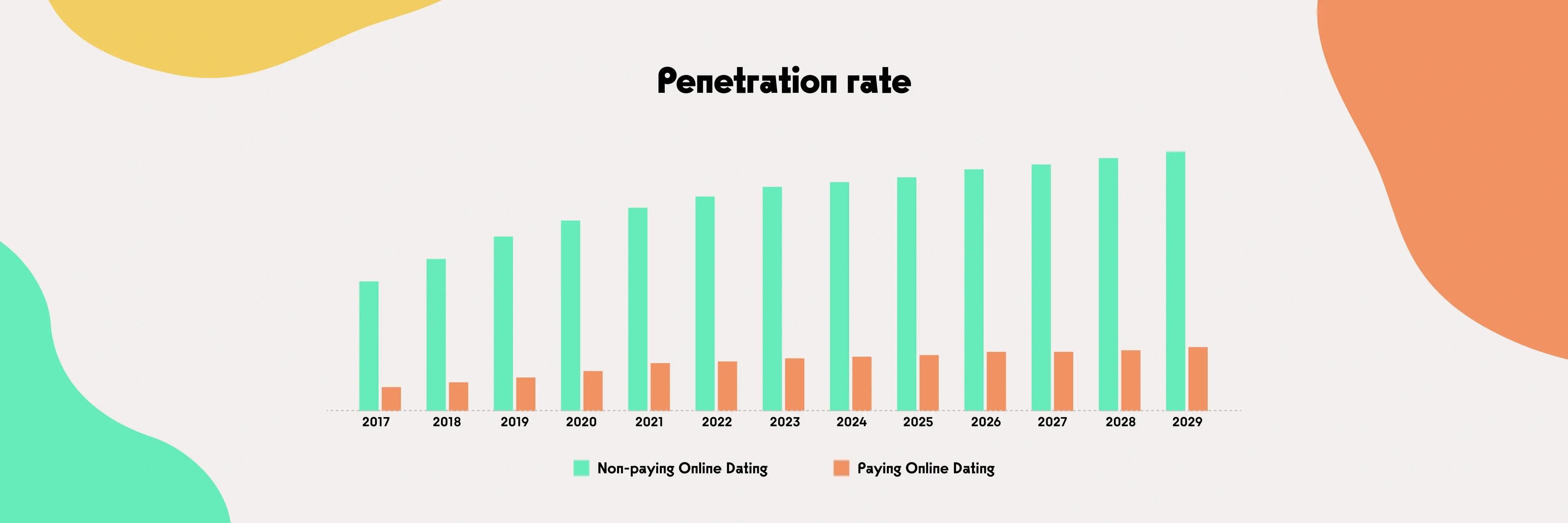
- Booming market potential. Revenue in the online dating market is projected to reach $3.45 billion by 2029. With a growing user base, particularly in North America and Europe, the market continues to expand, promising lucrative opportunities for developers.
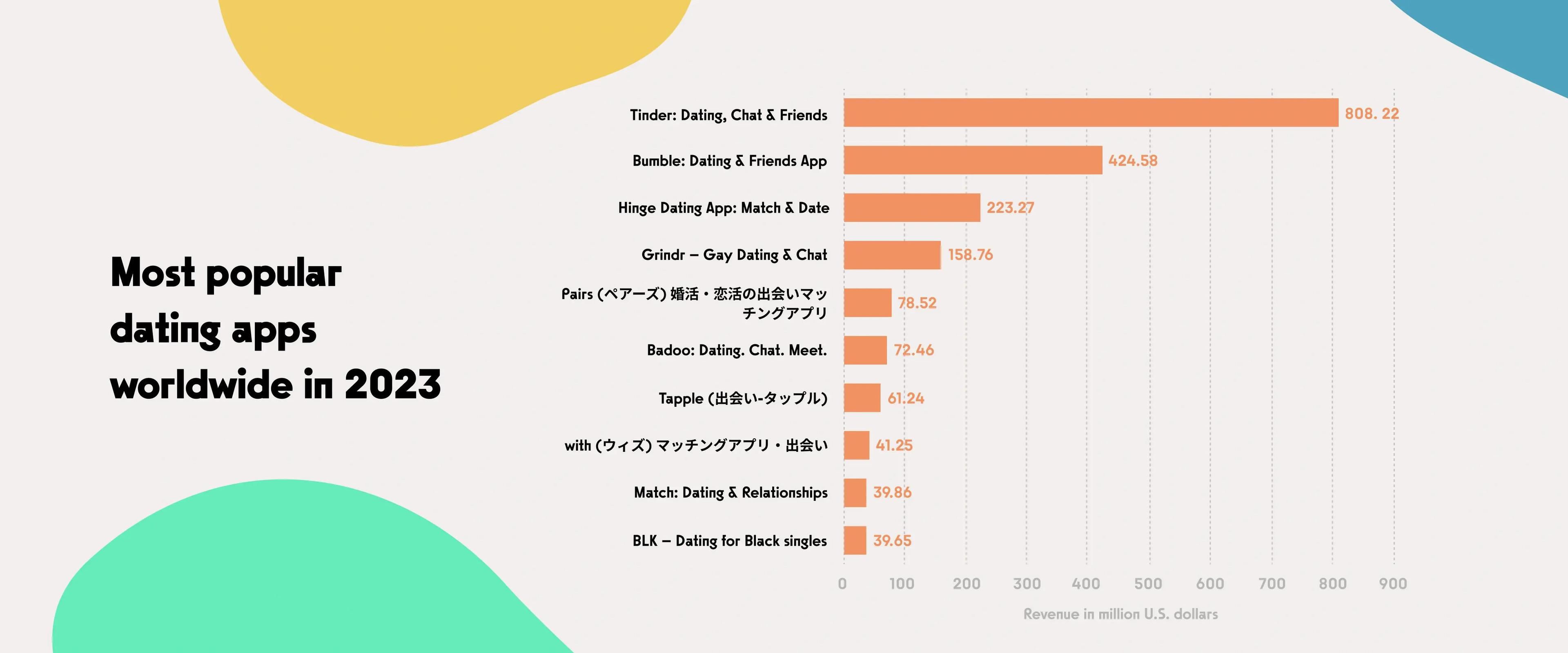
- High user engagement. Dating apps like Tinder, Bumble, and Badoo have changed the game by making online dating simple, fun, and engaging. Gamification features, such as swiping, quizzes, and interactive messaging, keep users coming back, ensuring high retention rates.
- Shifting demographics. The number of users in the online dating market is projected to rise significantly, with the US alone reaching 65.86 million users by 2028. This steady growth indicates sustained demand for innovative dating solutions.
- Convenience and accessibility. Features like 24/7 availability, the ability to filter matches by location, and inclusive space for introverts and busy individuals make dating apps an attractive option for people worldwide.
- Proven success stories:
- Tinder: With over 75 million monthly active users, Tinder leads the market with its intuitive swipe feature and global reach.
- Bumble: Valued at $14 billion, Bumble’s women-first approach has redefined online dating.
- Badoo: Originally a Facebook app, Badoo now serves millions globally as a standalone dating platform.
- Niche opportunities. There’s still untapped potential for specialized dating apps that cater to unique interests, communities, or relationship goals. Developers who explore these specialized markets can tap into dedicated audiences with less competition than general-purpose apps.
- With increasing user penetration (from 5% in 2024 to a projected 5.7% by 2029) and growing demand for personalized, mobile-first experiences, investing in dating app development remains a compelling opportunity.
How to Create a Dating App in 9 Steps
I am not a photographer, but I can picture us together.
Building a successful dating app is a rewarding but intricate journey. The process of dating mobile app development involves careful planning, selecting the right technology stack, and ensuring the app meets user expectations through engaging design and reliable functionality. Here’s a step-by-step guide to simplify the process and help you bring your vision to life:
1. Conduct market research.
Start by analyzing your competition — explore apps like Tinder and Bumble to identify what works and where there’s room for innovation. Research your target audience to understand their preferences and pain points.
2. Define your unique value proposition.
Ask yourself: “What makes my dating app stand out?” Whether it’s a niche focus or a game-changing feature, defining this early will shape your app’s identity and appeal.
3. Choose your app type and features.
Decide on the kind of dating app you want to create: geolocation-based, niche-specific, or AI-powered. Pick essential features like swiping, messaging, and profile customization to form your app’s core functionality.
4. Design an intuitive user experience (UI and UX).
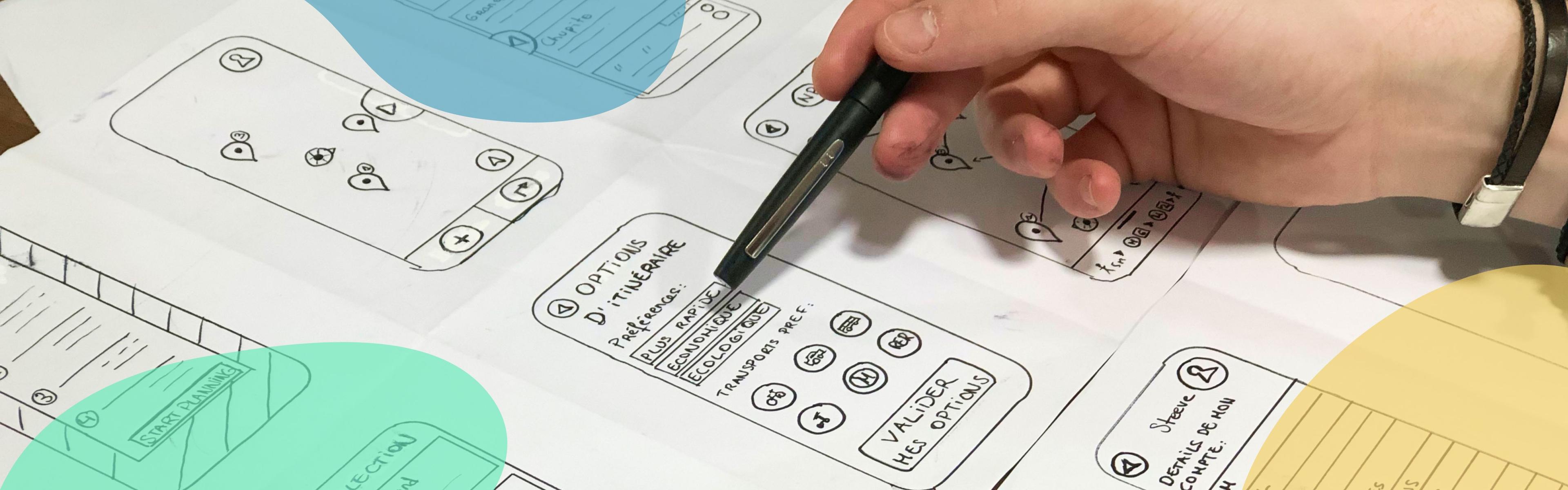
To design a dating app, focus on creating an interface that’s attractive, simple to navigate, and engaging. Prioritize usability with clean layouts, intuitive features, and interactive elements that keep users returning for more.
5. Develop a dating app.
Collaborate with developers to build your app for iOS, Android, or both platforms. Consider using robust frameworks and tools to streamline the development process.
6. Ensure security and privacy.
Dating apps handle sensitive personal data, so implementing robust security measures is crucial. Encrypt user data, secure payment gateways, and comply with privacy laws like GDPR.
7. Test your app thoroughly.
Quality assurance is non-negotiable. Test your app for functionality, bugs, and performance across various devices to ensure a smooth user experience.
8. Launch and market your app.
Release your app on app stores and promote it through social media, influencer partnerships, and targeted advertising campaigns. Highlight your unique features to draw attention.
9. Gather feedback and iterate.
Post-launch, monitor user feedback and app performance. Use insights to make iterative improvements, keeping your app fresh and user-focused.
You might want to check out our other guides:
- How To Smartly Outsource Mobile App Development
- App Onboarding — The Importance of Presenting Your App to New Users
- Mobile App Development Life Cycle: 6 Stages & Process Flow
Types of Dating Apps
Is your name Google? Because you have everything I've been searching for.
When it comes to creating a dating app, the options are vast. To stand out in the competitive market, understanding the types of dating apps can guide your development process and help you cater to specific user preferences. Each type serves unique user needs and goals, so choosing a model that aligns with your target audience will increase your app's appeal and success. Here are the most popular types:
- Geolocation-based dating apps. These apps, like Tinder, connect users based on proximity. They rely on GPS data to show potential matches nearby, making it easier to arrange in-person meetings quickly.
- Questionnaire-based dating apps. Apps such as eHarmony use in-depth surveys and compatibility tests to match users with like-minded individuals. This method appeals to those seeking meaningful and long-term relationships.
- Niche dating apps. Specialized apps target specific interests, demographics, or lifestyles, such as faith-based dating for religious users, pet lovers, or even vegan singles. This personalized approach makes users feel more at home within their chosen community.
- AI-powered dating apps. Artificial intelligence enhances the matching process in apps like Badoo, offering users smarter suggestions based on behavior, interests, and preferences. These apps evolve with user data to refine matchmaking algorithms.
- Video-first dating apps. Incorporating video profiles and virtual dates helps users connect more personally before meeting face-to-face. Features like video calls or story-style content make profiles more engaging and authentic.
10 Key Features of a Dating App
Do you believe in love at first swipe, or should we match again?
Including the right features in your dating app can make or break its success. To deliver a seamless and engaging experience, prioritize these essential elements:
1. User profiles. Let users create detailed profiles showcasing photos, hobbies, and personal interests. The more customizable, the better — they give users a sense of ownership over their digital identity.
2. Matching algorithm. A robust algorithm is the backbone of any dating app. It should intelligently pair users based on preferences, behavior, and compatibility to maximize meaningful connections.
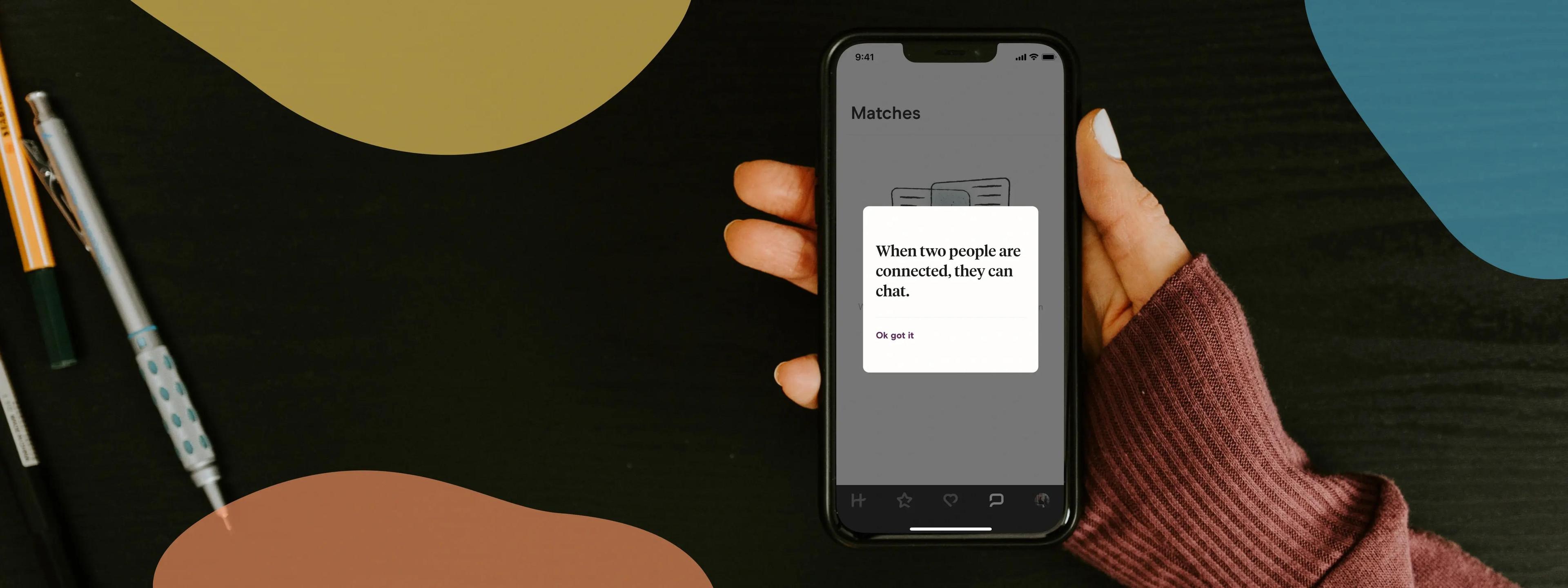
3. In-app messaging. Enable instant and easy communication. Features like text messages, stickers, and emojis enhance conversations and keep interactions fun.
4. Geolocation. Offer location-based matching to connect users within a specific radius. This feature is especially popular for casual meetups.
5. Push notifications. Keep users engaged by notifying them about matches, messages, or special app features. Just ensure they’re not overwhelming.
6. Privacy and security settings. Build trust with features like blocking, reporting, and visibility controls. Data encryption and anonymity options protect user privacy.

7. Video chat. Virtual dates are increasingly popular. Integrate video calling to help users connect on a deeper level before meeting in person.
8. Social media integration. Simplify the sign-up process by allowing users to register and create profiles using their social media accounts.
9. Gamification elements. Features like swiping, compatibility quizzes, or rewards for completing profile sections add a fun twist and keep users engaged.
10. Premium features. Offer perks like unlimited swipes, profile boosts, or advanced filters for paid subscribers to generate revenue and enhance user experience.
Technology Stack for Dating Apps
Hi, my name’s Microsoft. Can I crash at your place tonight?
Selecting the right dating app development software and tools is crucial for building a scalable, efficient, and user-friendly app. Your tech stack depends on the app’s scope, target audience, and features. For instance, a niche dating app with complex matching algorithms may benefit from AI/ML tools, while a simpler geolocation-based app might rely more heavily on frontend and backend efficiency.
Here’s a breakdown of the essential technologies to consider:
1. Frontend Development
- Swift for iOS apps. Delivers a seamless and native experience for Apple devices.
- Kotlin for Android apps. A versatile choice for Android platforms.
- React Native. Ideal for cross-platform development, offering efficient code reuse while maintaining high performance.
2. Backend Development
- Node.js. Known for its speed and scalability in handling real-time data.
- Python. A versatile language, excellent for implementing logic-heavy features and integrating AI/ML for smarter matching.
- Ruby on Rails. Simplifies rapid development with its rich library of plugins and tools.
3. Database Solutions
- PostgreSQL. Perfect for managing complex queries and maintaining data integrity.
- MongoDB. A NoSQL database, ideal for handling large amounts of unstructured data, such as user profiles and preferences.
4. Cloud Service
- AWS, Google Cloud, or Azure. Reliable cloud platforms for hosting, scaling, and maintaining server-side applications and databases.
5. Real-Time Communication
- WebSockets or Socket.io. Enable instant messaging and live updates between users.
6. Location Service
- Google Maps API (Android and iOS). Offers location-based matching features.
- MapKit (iOS). Seamlessly integrates Apple’s mapping capabilities into iOS apps.
7. Push Notifications
- Firebase Cloud Messaging (FCM). An efficient tool for Android and cross-platform notifications.
- Apple Push Notification Service (APNs). The go-to for iOS apps.
8. Analytics Tools
- Google Analytics. Tracks user behavior and provides actionable insights.
- Mixpanel. Monitors user interactions and optimizes the app’s performance.
- AppsFlyer. Deep Linking tracking and marketing effectiveness for mobile apps.
9. Payment Integration
- Stripe. Facilitates secure, user-friendly payment processing.
- PayPal. A trusted platform for integrating subscription and one-time payments.
10. AI/ML Frameworks
- TensorFlow or PyTorch. Power advanced features like smart matchmaking, predictive analytics, and chatbots.
Recommended Tech Stacks
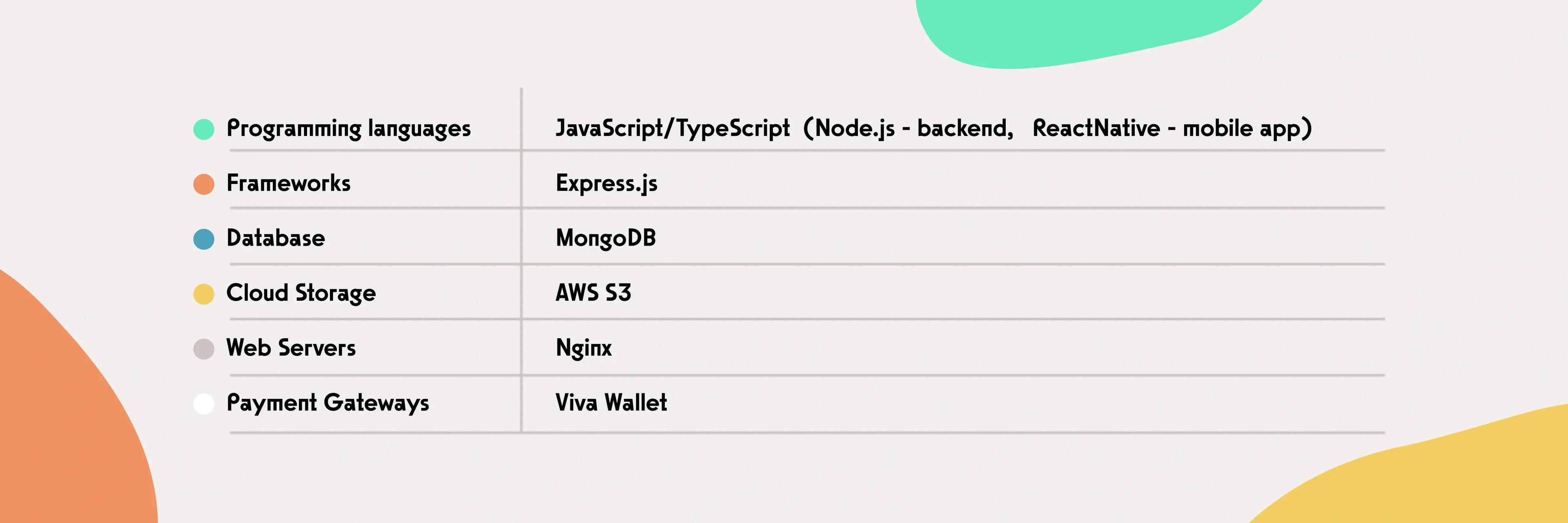
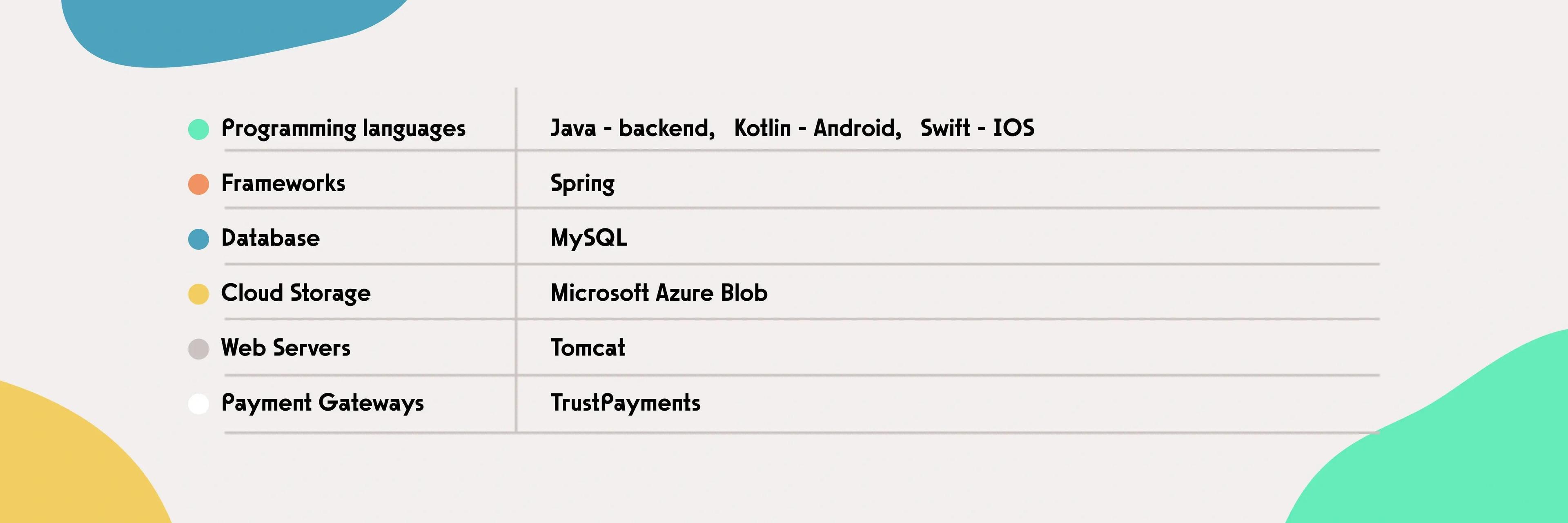
After consulting our experienced app developers at Memory2, two popular tech stack recommendations emerged for building dating apps:
1. Efficient and cost-effective stack
This stack uses uniform programming languages, allowing for faster development, easier scaling, and lower maintenance costs. It’s ideal for startups or those on a tighter budget.
2. High-performance native stack
This approach uses native programming languages for iOS and Android, ensuring excellent performance and robust security. However, it requires separate development for each platform, leading to higher costs.
How Do Dating Apps Make Money? Dating App Monetization Strategies
Do you have a name, or can I call you my future investment?
Is your wallet as attractive as your matches? Dating apps certainly think so! If you're considering creating a dating app, knowing how to monetize it effectively is crucial. Top apps like Tinder, Bumble, and Match.com often mix several methods — subscriptions, in-app purchases, and ads — to achieve record-breaking revenues. Experiment with what aligns best with your app’s audience and goals.

Here are the top revenue-generating strategies:
- Premium subscription models. Offering tiered memberships with features like unlimited swipes, advanced filters, and read receipts is a top choice. For example, Tinder Plus and Bumble Boost are key revenue drivers, contributing billions annually to their platforms.
- Freemium model. Many apps offer basic functionality at no cost while reserving advanced features for paying users. This widely-used strategy helps attract a broad user base, with over 78% of dating apps relying on it.
- In-app purchases. Features like virtual gifts, profile boosts, and Super Likes allow users to enhance their experience. Tinder's Super Likes alone played a significant role in the platform generating $1.2 billion in 2020.
- Advertising. Free-tier users often encounter targeted ads, which help apps monetize without charging directly. Strategic brand partnerships can also lead to engaging campaigns, provided ads remain relevant to users.
- E-commerce integration. Selling products, such as merchandise or event tickets, adds another revenue stream. For instance, Bumble’s Honeycomb store earned $3.4 million in a single quarter.
- Affiliate marketing. By partnering with businesses like restaurants or travel agencies, apps earn commissions for driving users to services that complement dating activities.

- Events and experiences. Organizing paid social events or meetups provides users with opportunities to connect offline. This strategy is especially effective for apps catering to niche audiences.
- Data monetization. Using anonymized user data for targeted advertising or industry insights is another way apps can earn, though this requires strict adherence to privacy laws.
- Expedited profile approval. Charging users for faster profile verification or activation appeals to those eager to jump into the dating pool.
How Much Does It Cost to Make a Dating App?
Are you a bank loan? Because you got my interest.
Developing a dating app involves several variables that influence its cost, including app complexity, the platforms you target, and the features you incorporate. Here’s an overview of typical development expenses:
- Basic app. If you're starting with a single-platform app (iOS or Android) featuring essential functions like user profiles, swiping, and basic messaging, expect costs to range between $50,000 and $80,000.
- Medium-complexity app. Adding features like geolocation-based matching, advanced filters, or in-app purchases raises the development cost to around $80,000 to $150,000. This range generally applies to single-platform apps or simple cross-platform apps.
- Complex app. A full-scale dating app with advanced AI-powered matching, video chat, gamification, and compatibility across both iOS and Android can cost anywhere between $150,000 and $300,000 or more.
Key Cost Factors to Consider
Understanding the dating app development cost involves evaluating various factors that influence the budget. Here's an overview:
- Development team. Hiring experienced developers, designers, and QA specialists can significantly impact costs. Outsourcing may reduce expenses compared to in-house teams.
- Technology stack. Advanced tools and integrations like AI/ML, real-time communication, and payment gateways increase development costs.
- Maintenance and updates. Post-launch expenses for bug fixes, security updates, and new feature rollouts are crucial and should be included in your budget.
- Marketing. Allocating resources for promotions, ads, and user acquisition campaigns is critical for long-term success.
While these numbers provide a general guideline, actual costs may vary depending on the app’s scope, target audience, and development approach. By carefully planning your budget and prioritizing key features, you can optimize your investment and create a successful dating app tailored to your vision.
Memory2’s Experience in Dating App Development
We’re not socks, but I think we’d make a great pair.
In Memory Squared, we know how to make your heart beat faster with a custom-tailored dating app that is designed exactly in the way you imagined it! Let’s take a closer look at Momentum, an outstanding dating app launched in Germany. Momentum is all about spontaneous connections and works like a feed of dates — the photo shows a proposal of a date for today instead of a static user profile. ased on that and tags added to the photo, you can ask a person to go out. You have to choose wisely as you have only two ask-outs daily, but as the brand line of the app says, “everyday is a new momentum”, so at midnight, all dates, connections, and chats vanish to start fresh.
Momentum required custom dating app development services, since the extraordinary approach of the dating algorithm needed a personal touch instead of already known solutions. Our client was searching for the best dating app development company that would understand the uniqueness and value of the product, meet high expectations regarding interactions, but also provide highest quality in software stability, scalability and security.
Bonus: A Brief History of Online Dating
Understanding the history of online dating can provide valuable insights if you’re planning to develop a dating app. By examining the evolution of this industry — from its early innovations to modern breakthroughs — you can identify trends, learn from past successes, and design features that resonate with today’s users.
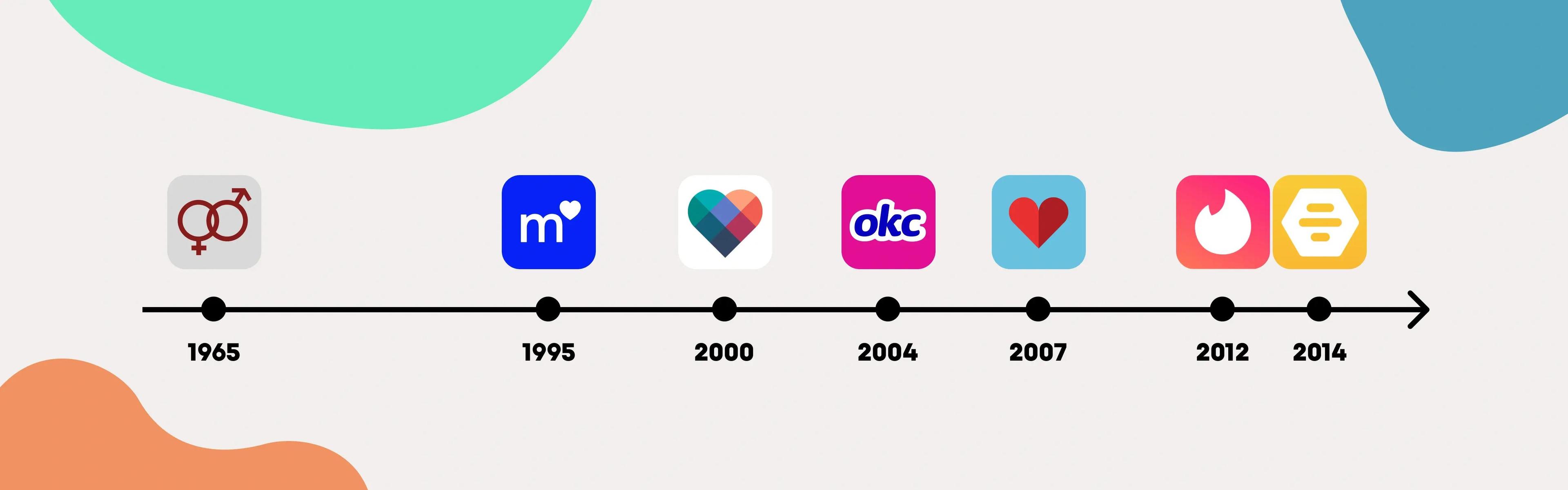
Online dating has been part of our lives for decades, but its popularity skyrocketed during and after the COVID-19 pandemic. The concept began in 1965 with Operation Match, which used computer-processed questionnaires to match users. Even then, the demand was evident, with 90,000 users joining by 1966.
Fast-forward to 1995, Match.com emerged as the first online dating website, quickly gathering over 100,000 users within six months. It remains a significant player today, constantly innovating with features like chatbots.

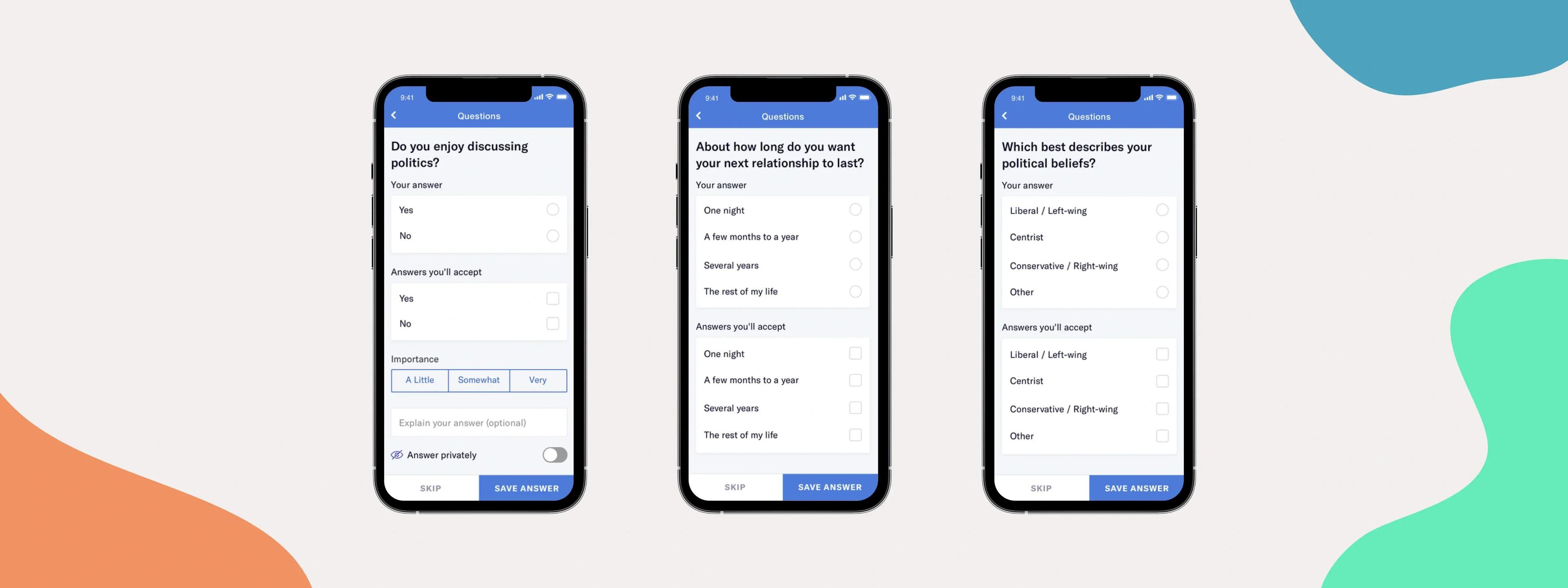
In 2000, eHarmony introduced a scientific twist to matchmaking. Its questionnaire, designed by a relationship counselor, solidified its reputation, particularly in the European market. Four years later, OkCupid launched with a unique matching algorithm that factored in how users prioritized questions, making it a favorite for those seeking tailored matches.
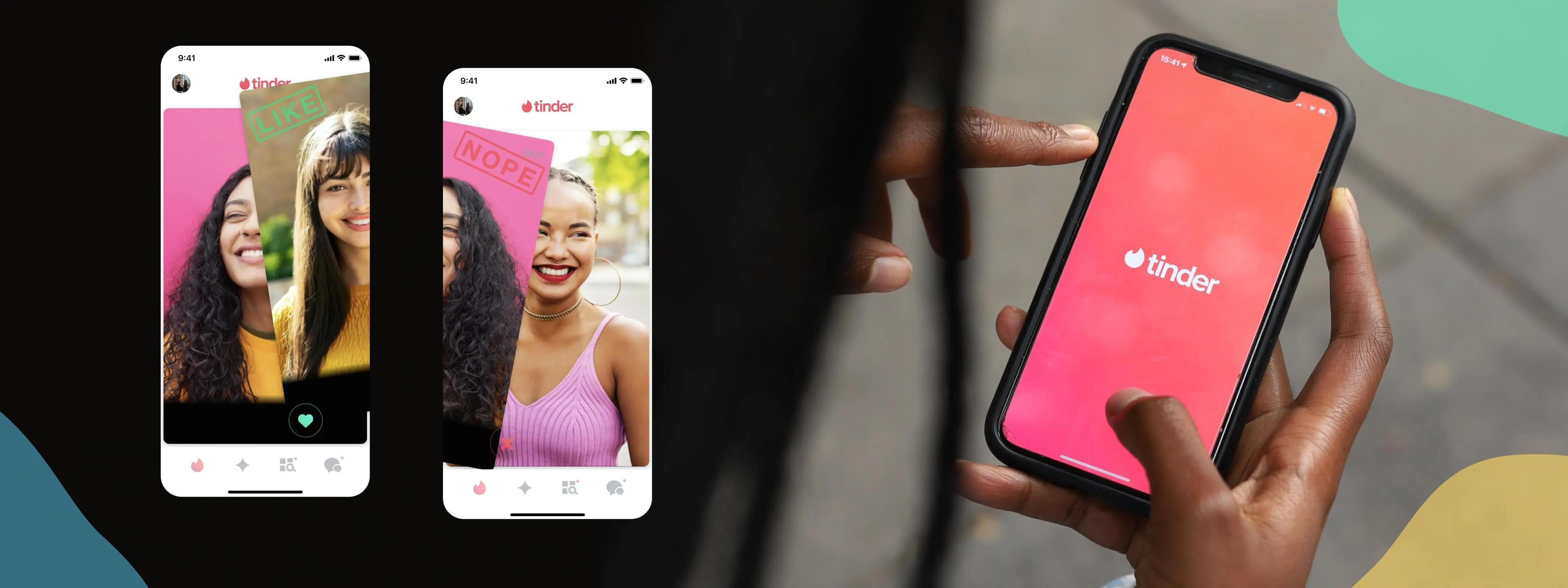
The shift to mobile began with Zoosk in 2007, the first app to sync with social accounts, making online dating global and accessible. In 2012, Tinder revolutionized the industry with its intuitive swipe-right system, turning swiping into a cultural phenomenon.
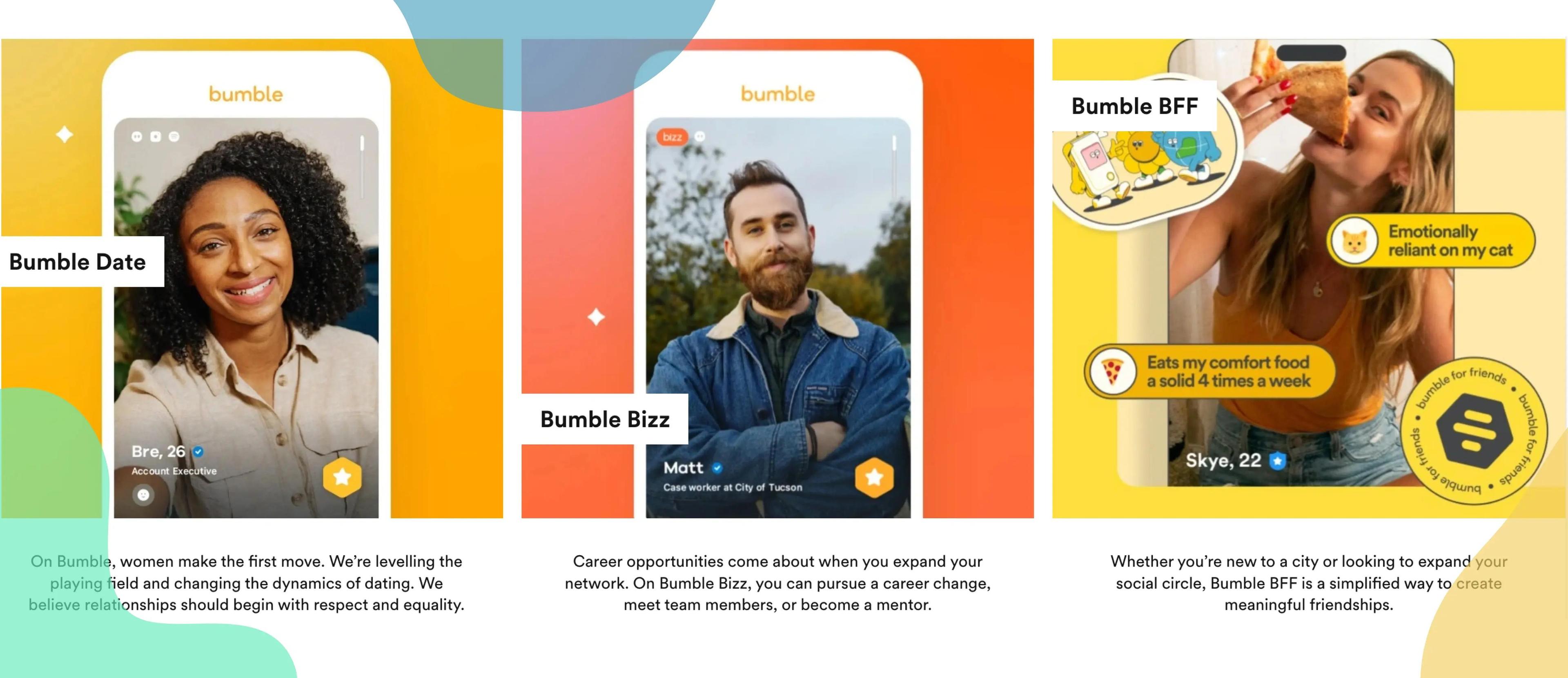
On the other hand, 2014 was the year of Bumble, a feminist dating app, as coined by its creator and director. Bumble stood up to competition with a change in messaging system — in Bumble, only women are allowed to send a message first in matches. This change caused the rise of the Bumble app into the position of the second-most-used dating app today.
Conclusion
Developing a dating app can feel like a big challenge, but with an experienced dating app development company, it’s absolutely achievable. Start by doing thorough research and planning to clearly communicate your vision to the development team. Focus on creating a standout user experience (UX) and user interface (UI), and think about innovative features that will make your app truly unique.
With the online dating market snowballing, there’s no better time to invest in a dating app. If you’re ready to take the leap, we at Memory2 are here to guide you every step of the way.
FAQs on Developing a Dating App
How long does it take to build a dating app?
The dating app development timeline generally spans 4 to 12 months. This includes stages like planning and research (2-4 weeks), design and prototyping (4-8 weeks), development (12-24 weeks), and testing and deployment (4-6 weeks). Complex features like AI-driven matchmaking or real-time chat may extend the timeline. Partnering with experienced developers can streamline the process while ensuring quality.
Is it profitable to make a dating app?
Yes, making a dating app can be highly profitable due to the growing demand for online matchmaking, subscription plans, and in-app purchases. To succeed and make an app like Tinder, focus on innovative features, effective monetization strategies, and a scalable business model that attracts a broad user base.
What tech stack does Bumble use?
Bumble uses a tech stack that includes React Native for mobile app development, core-js for JavaScript standard library polyfills, Nginx for web server management, and various analytics and marketing tools like Google Analytics, TikTok Pixel, and Google Tag Manager. It also employs technologies like Zendesk for customer support and Swiper for interactive UI elements.
Can AI build a dating app?
Yes, AI can assist in building a dating app by automating tasks like coding, integrating AI-driven matching algorithms, and optimizing user engagement features. Still, human expertise is essential for design, development, and ensuring quality.
Can I create a dating app for free?
You can make your own dating site for free using DIY website builders or open-source platforms, but creating a fully functional, feature-rich app might be too complicated without proper technical skills. For a scalable and user-friendly dating app, investing in custom development and premium features would be necessary.
How hard is it to make a dating app?
Creating a dating app is challenging, requiring a well-thought-out plan, technical expertise, and an understanding of user needs. From developing robust matching algorithms to ensuring seamless user interactions and security, the process involves significant effort. Partnering with custom dating app development services can streamline the development, offering tailored solutions and professional insights to build a functional and competitive app.
Can I create a dating app without coding?
Yes, you can create a dating app without coding by using platforms like app builders that offer pre-designed templates and drag-and-drop functionality. However, for advanced features and customization, you may need professional assistance or a focus on dating app coding expertise.
How can I start an online dating service?
To start an online dating service, identify a unique dating app idea that targets a specific niche, conduct market research, and develop a business plan. Collaborate with a dating app development company to create a platform featuring profiles, matching algorithms, and secure communication, then promote it to effectively attract users.