


IoT and Wearable App Development
We build connected digital products that seamlessly integrate hardware, software, and cloud infrastructure transforming devices into valuable user experiences and business solutions.
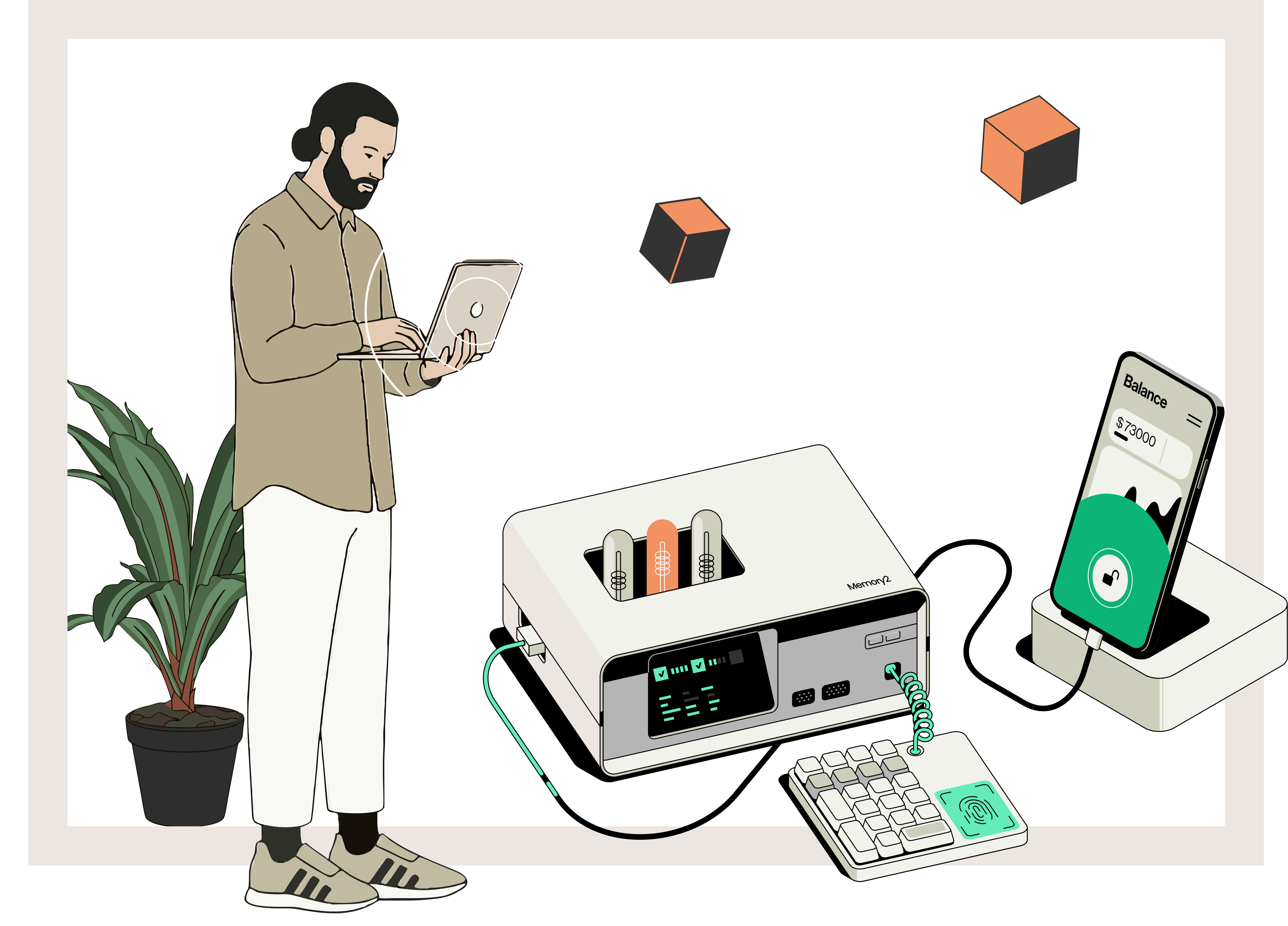
Looking to turn connected devices into reliable digital products?
Your hardware needs a companion app to unlock its full potential
Device connectivity and synchronization create ongoing challenges
Users expect seamless real-time experiences across devices
Hardware, firmware, and software teams struggle to stay aligned
Your Technology Partner for Connected Products
We bridge the gap between hardware and software teams, ensuring devices, firmware, mobile apps, and cloud services work together seamlessly.
We design for reliability, scalability, and real-world usage, accounting for connectivity issues, offline scenarios, and device limitations.
We focus on the complete user experience, from device onboarding and pairing to data visualization, analytics, and long-term engagement.
TRUSTED BY STARTUPS AND ENTERPRISES IN 16 COUNTRIES WORLDWIDE 🌍




They are a very agile organisation. Even when faced with complex problems finds solutions and presents realistic plans that it then sticks to.

Paweł Kaczyński
Innovation Manager - PHD Media
We are sincerely happy to have found Memory Squared. Their structured and professional way of handling a variety of projects felt to us like they were based around the corner.
Jesper Voois
Project Manager - Clear Timber Analytics
Memory Squared has provided us with strong specialists in product design and development. They're a proactive team that integrates smoothly and has strong organisational skills.

Chris Gibb
CEO - Iron Code
I’ve had experience working with development companies in European countries, and none of them has come close to the work Memory Squared has done.

Rafael Pedroso
Creative Lead - Digital Fans
They delivered new features as well as supported us in testing and bug fixing. They take care of the tasks immediately and are quick to react.

Joshua Sprey
CEO - Splash Games
Memory Squared has delivered all the functionalities we wanted. They've met deadlines and stayed on budget. Regarding feedback, they've been very flexible.

Nicole Rok
Head of Product - Go Autonomous
The app was completed on-time following our specifications. They seem to have a great rapport with UI, back-end and front-end developers all working together well.

Lewis Allison
CEO - UNA Watch
Memory Squared has gone above and beyond what we could ask for. They're very detail-oriented and do extensive testing to provide feedback.

Jeffrey Stevenson
Founder - Blue Mosaic
Their professionalism was evident as they invested considerable effort in comprehending our data tools, proposing innovative ideas to tackle challenges, and enhancing user flow and product functionality.

Syazana Lim
Head of Product - SSON Research & Analytics
Senior Human Engineers 🙋♂️ + orchestrated AI Agents 🦾
Today, building digital products is easier than ever. But there’s a big difference between a solution that seems to work and software that is stable, scalable, secure, and actually solves the right business problems.
We’re combining the power of AI with human knowledge and experience to build it right, right away.
IoT and Wearable Solutions We Deliver
We help companies transform connected devices into scalable digital ecosystems.
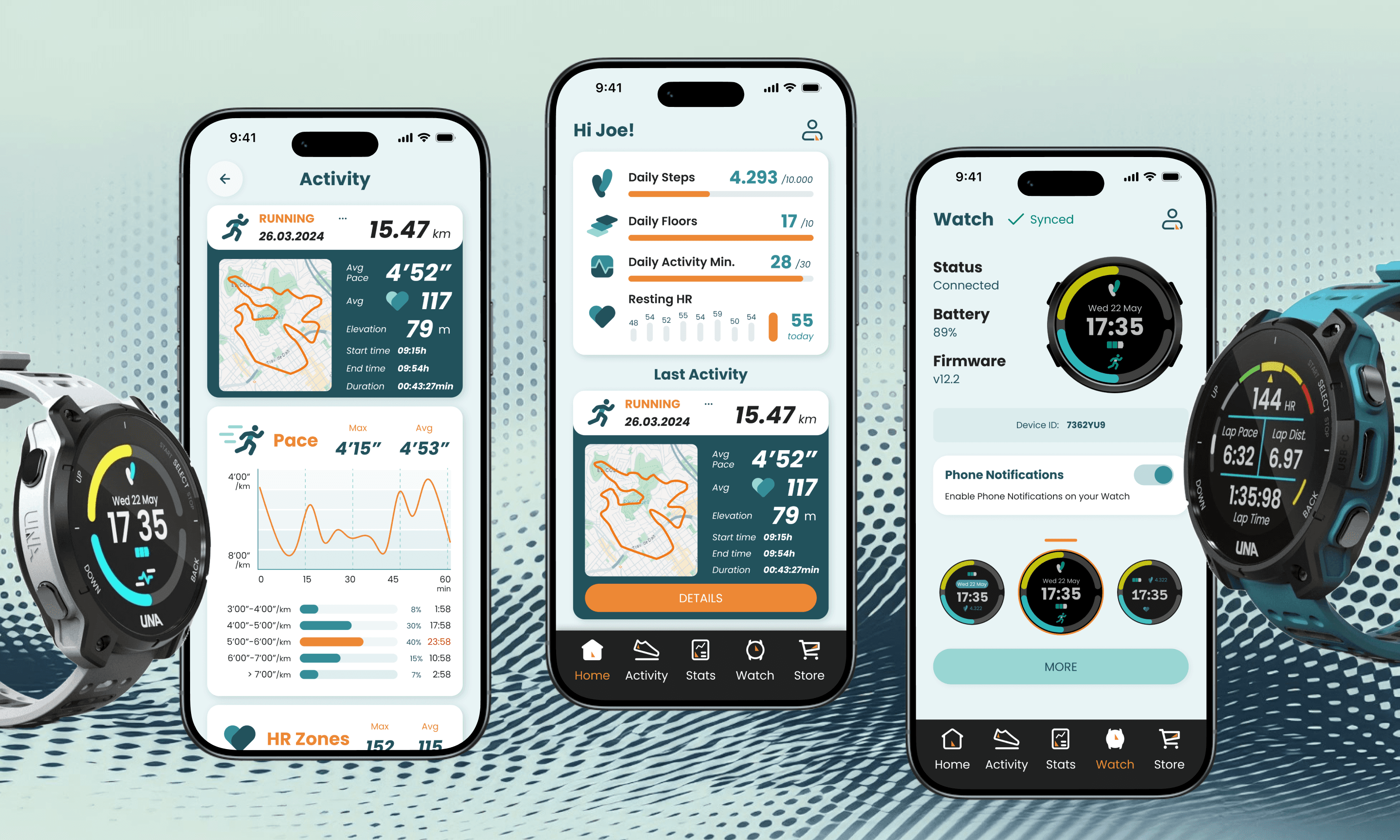
Wearable companion applications that help users manage devices, track data, and engage with connected products.
BLE and wireless device integrations that enable secure communication between hardware and mobile or web applications.
Connected fitness products that combine sensors, devices, mobile apps, and cloud services into a unified experience
Industrial IoT dashboards that provide real-time visibility into device status, operations, and performance metrics.
Firmware and mobile app integrations that ensure reliable communication between embedded systems and user-facing applications.
Device management platforms that support provisioning, monitoring, updates, and lifecycle management of connected hardware.

Ready to discuss your project?
We will be happy to get to know your ideas and consult on your project.
Why companies choose Memory Squared for IoT and wearable projects
We understand both hardware and software
Our teams know how to navigate the unique challenges of connected product development across multiple disciplines.
We have experience with wearables
From fitness devices to custom products, we understand how users interact with connected technology.
We build for unreliable environments
Our solutions account for real-world device constraints.
We focus on seamless user experiences
Device setup, pairing, synchronization, and data presentation are designed to feel simple and intuitive.
We support complex integrations
We help connect firmware, mobile apps, cloud infrastructure, third-party platforms, and business systems.
We think beyond the device
We design complete digital ecosystems that support users, operations, analytics, and future product growth.
Our Portfolio
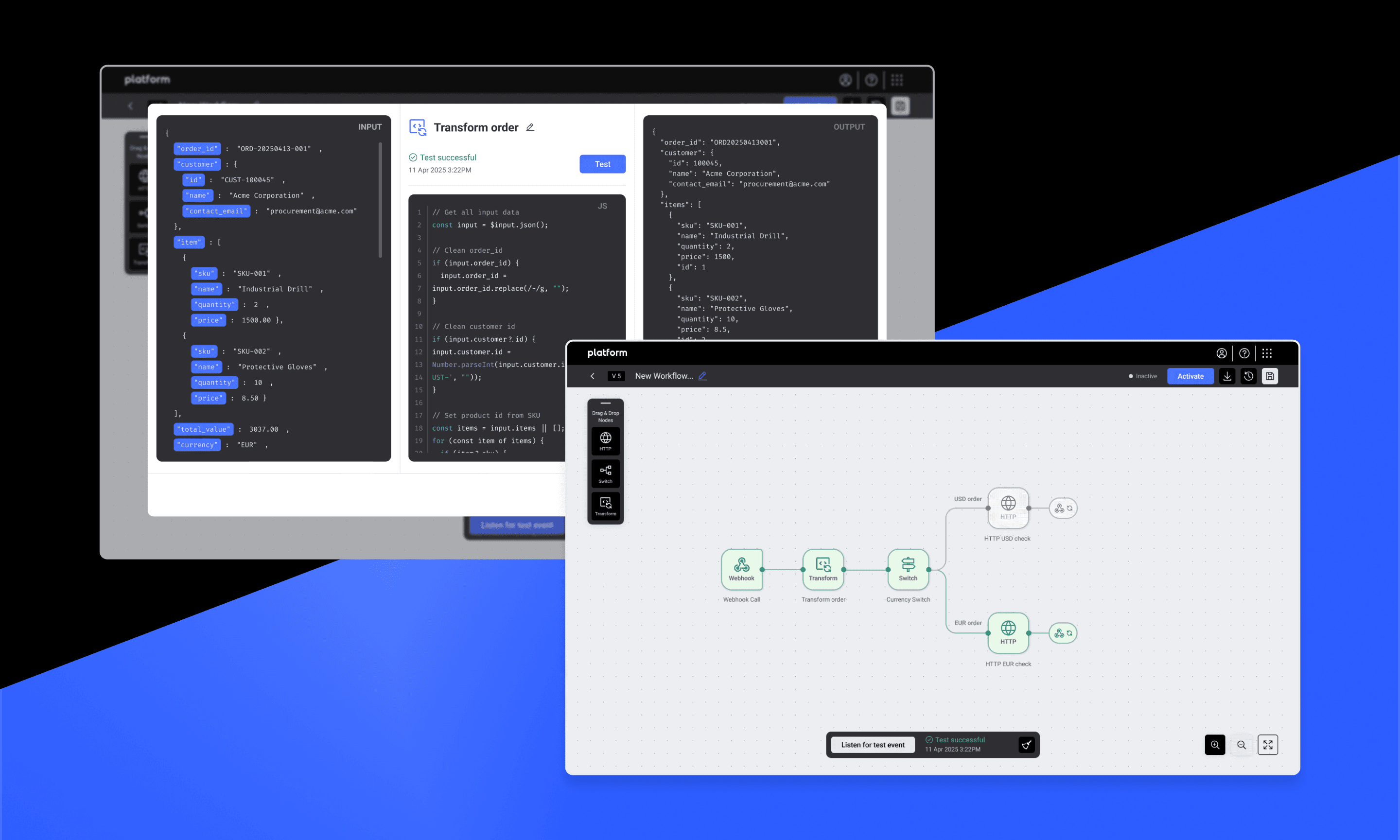
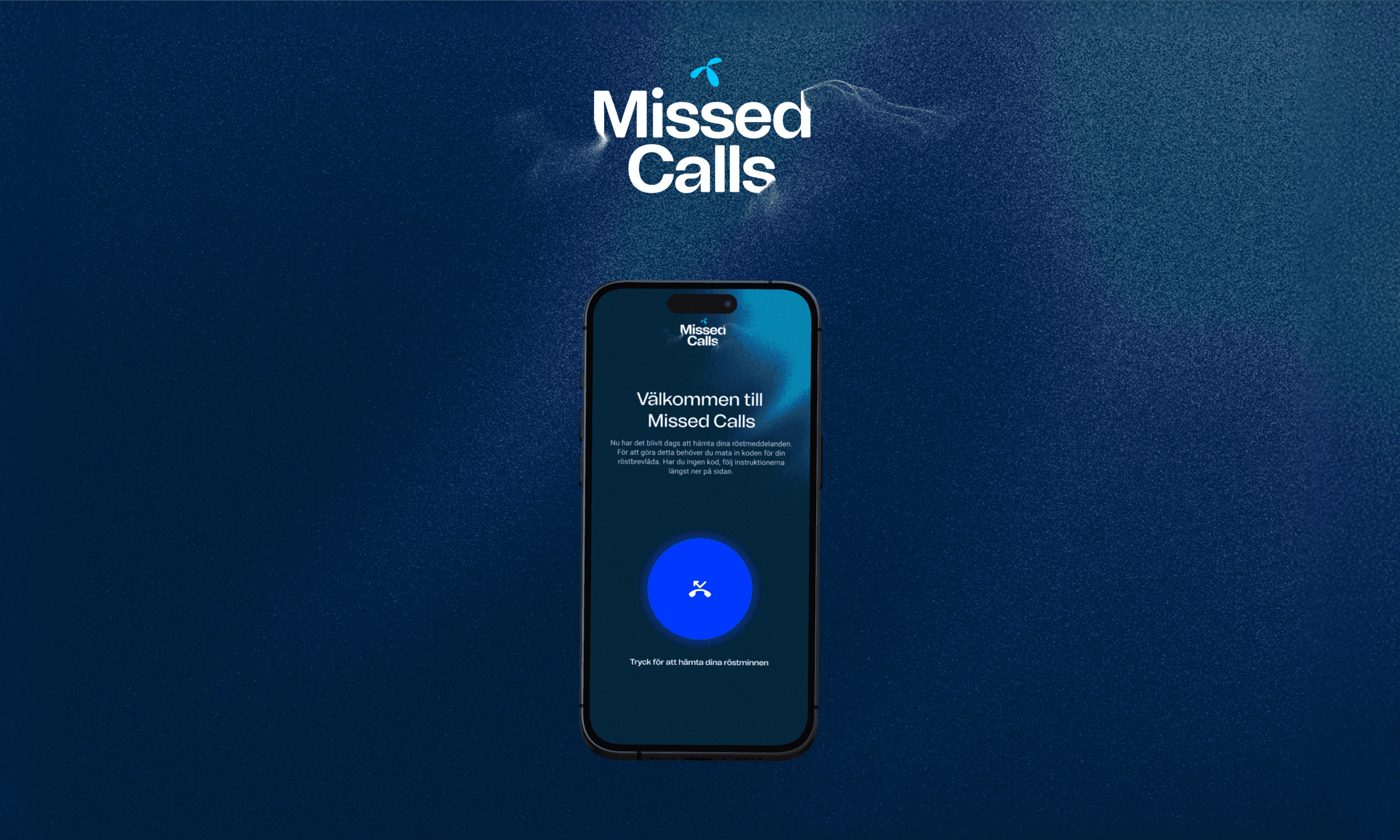
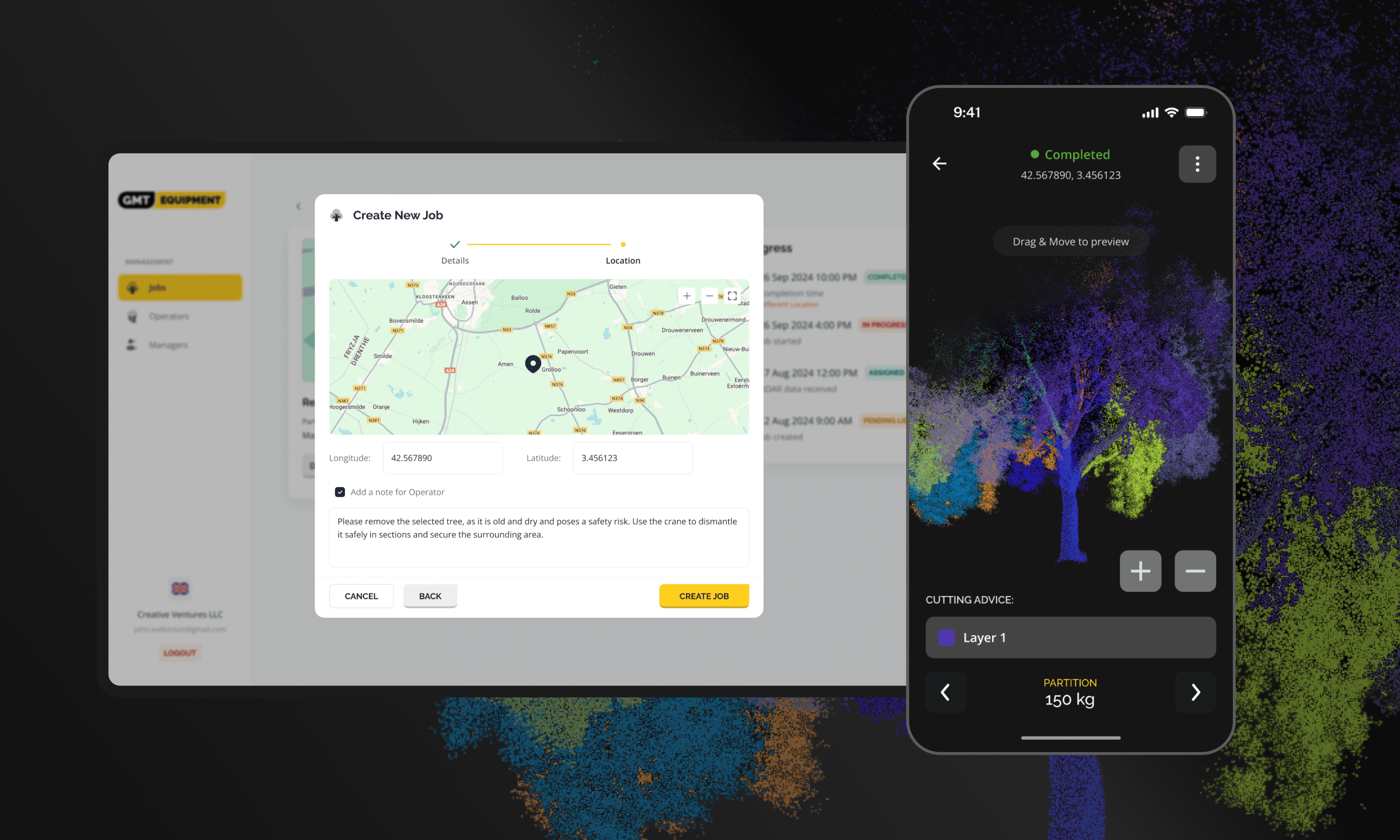
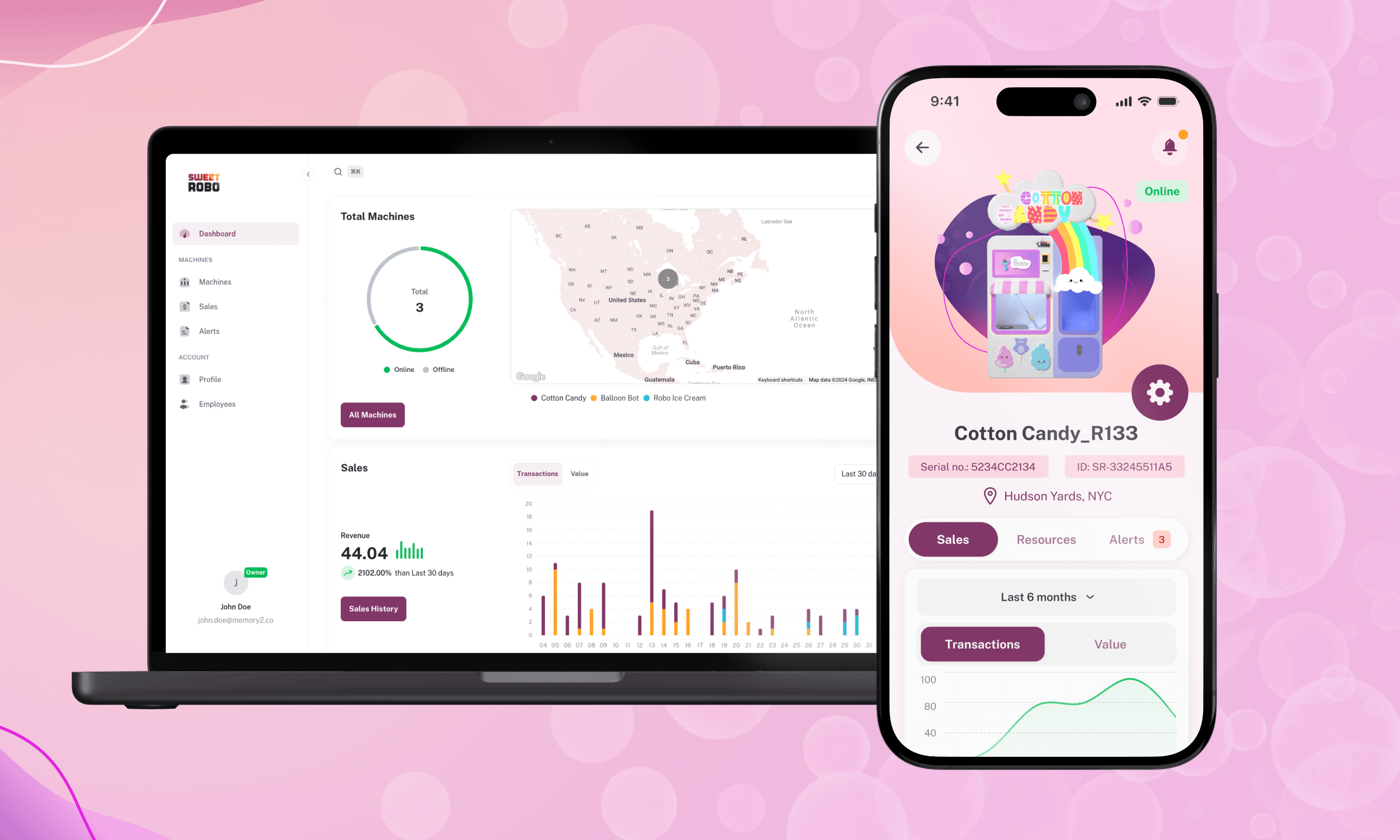
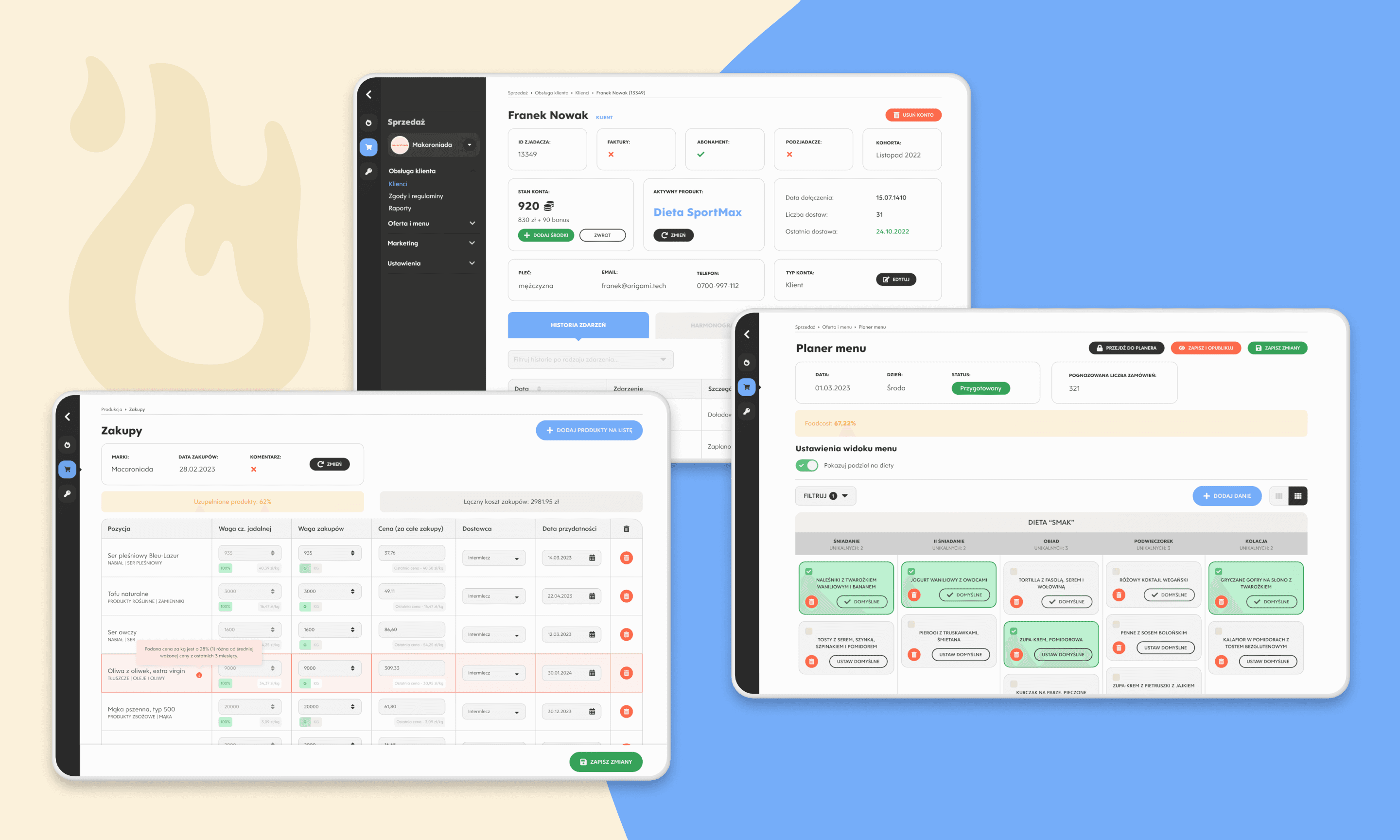
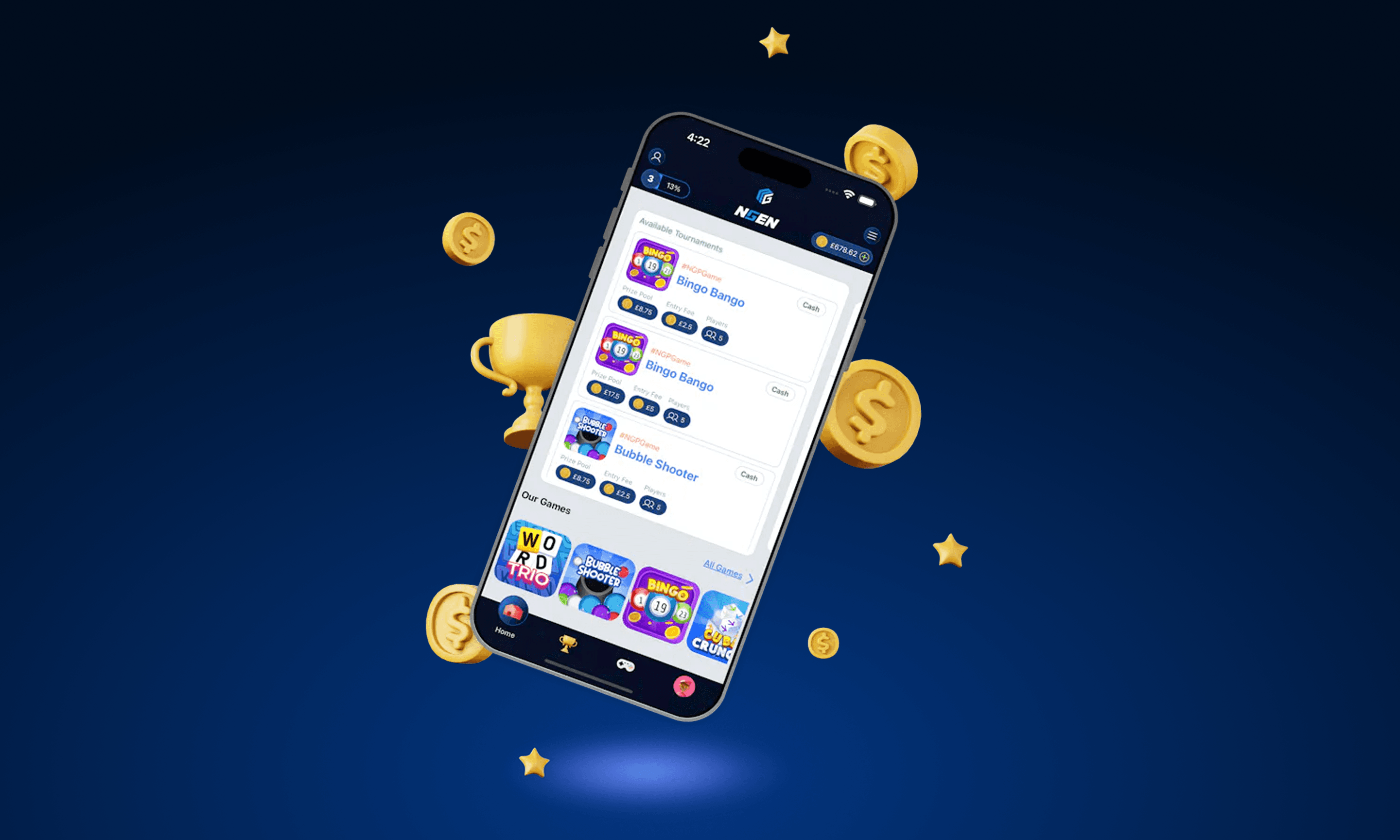
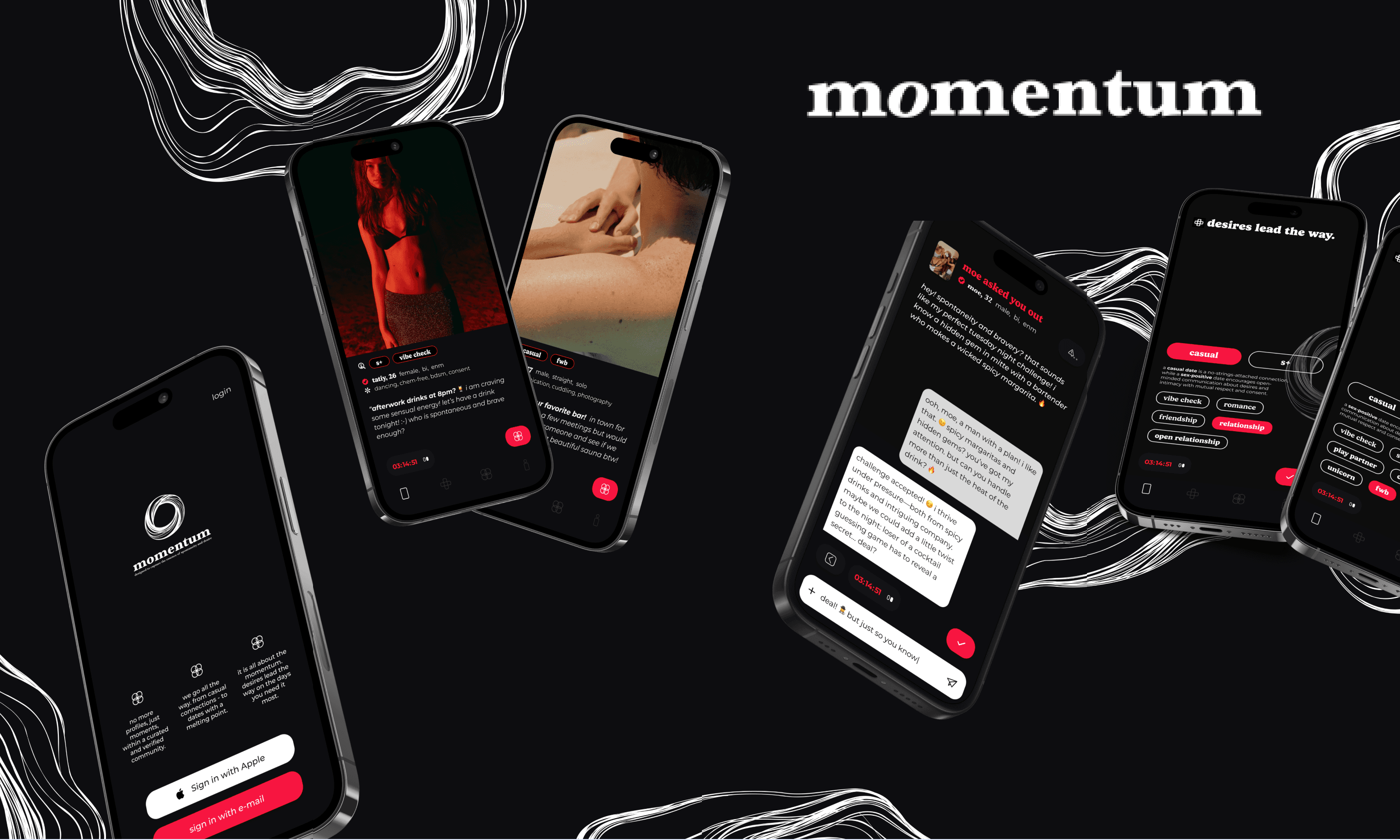
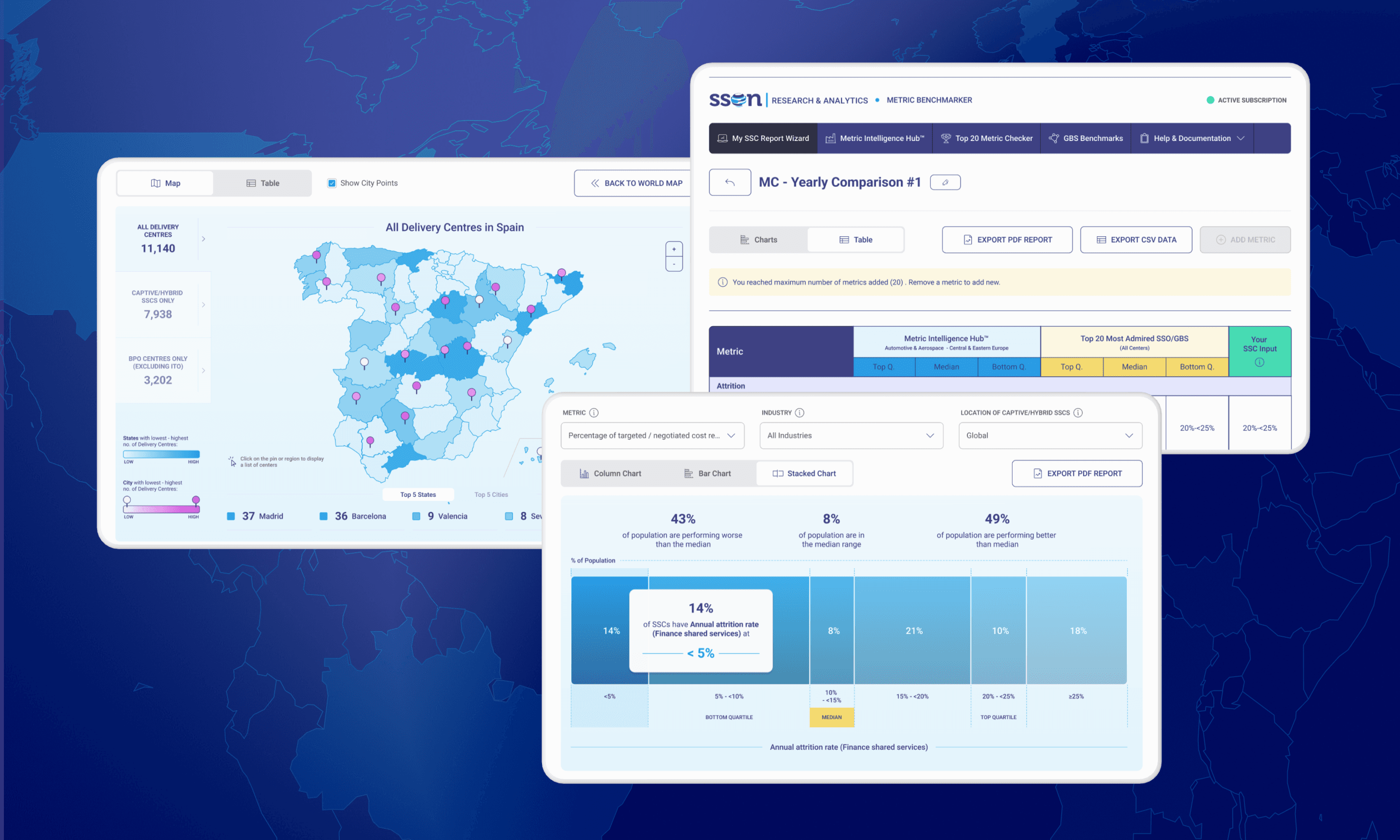
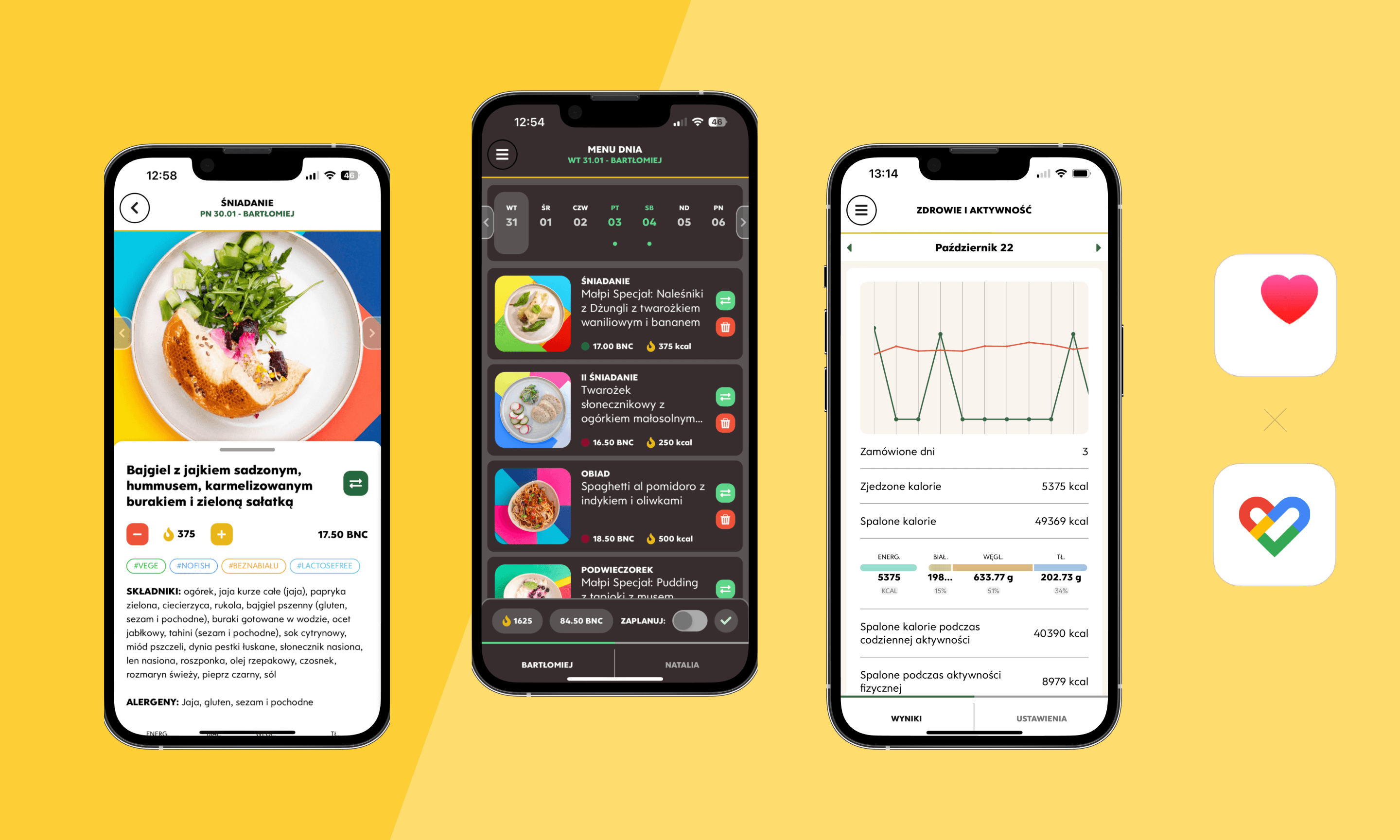
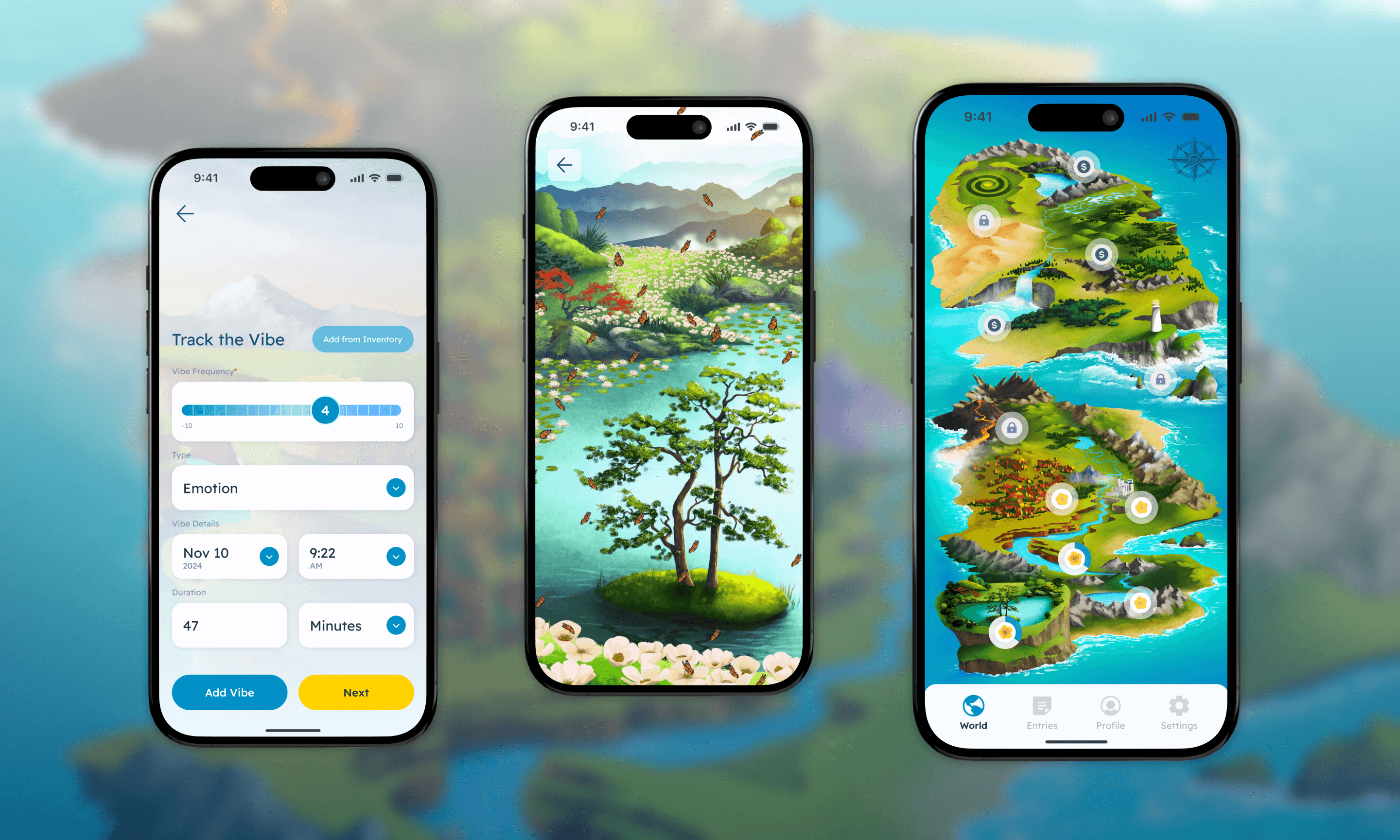
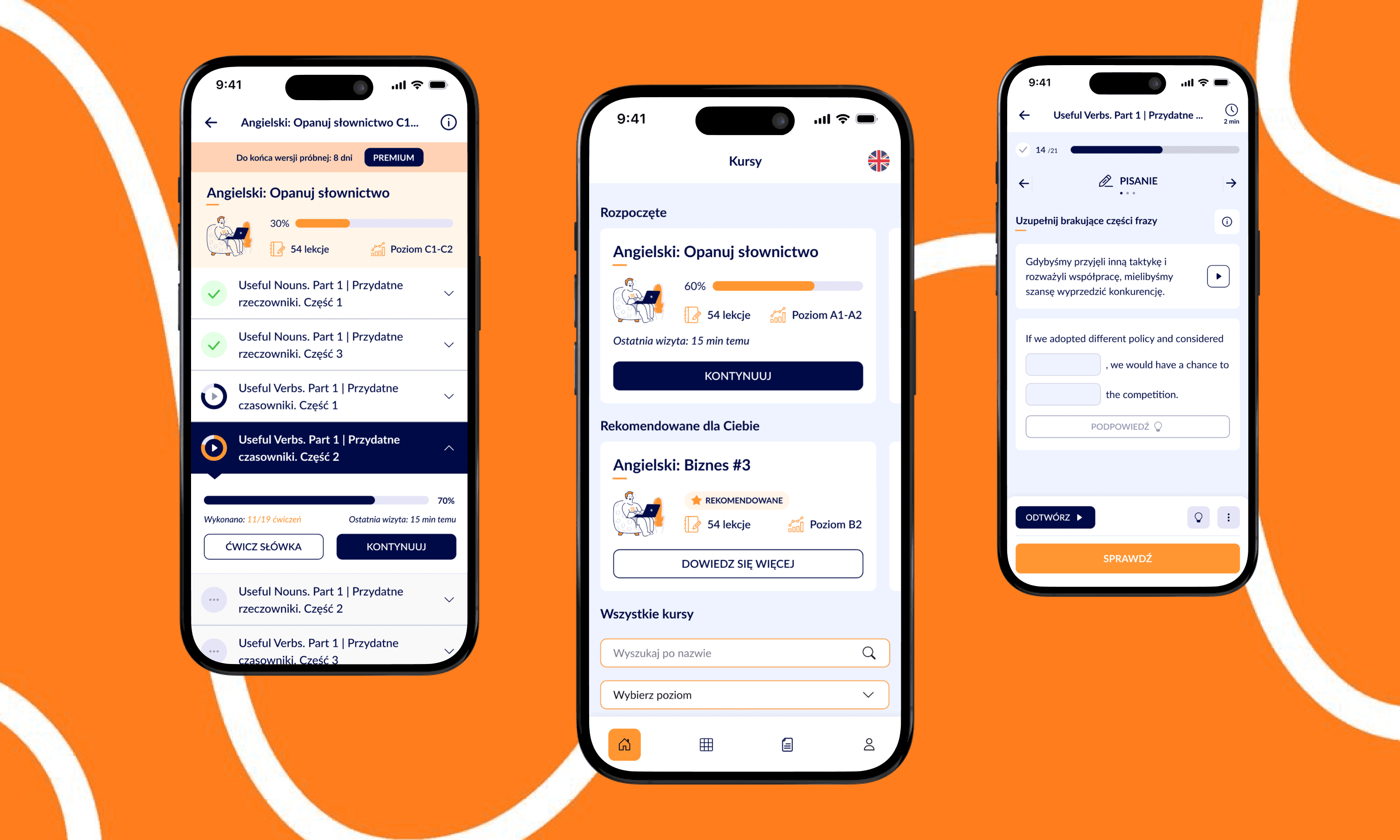
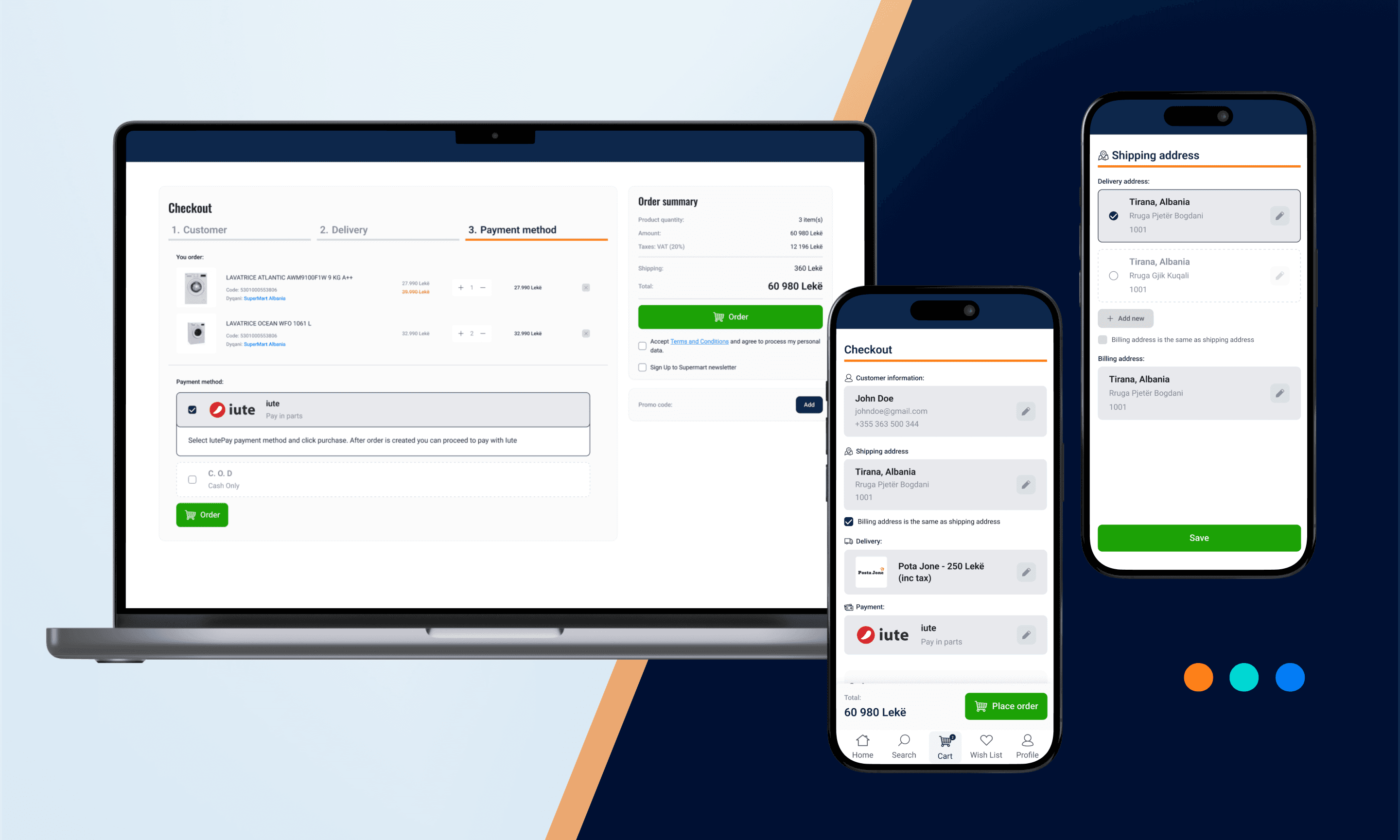
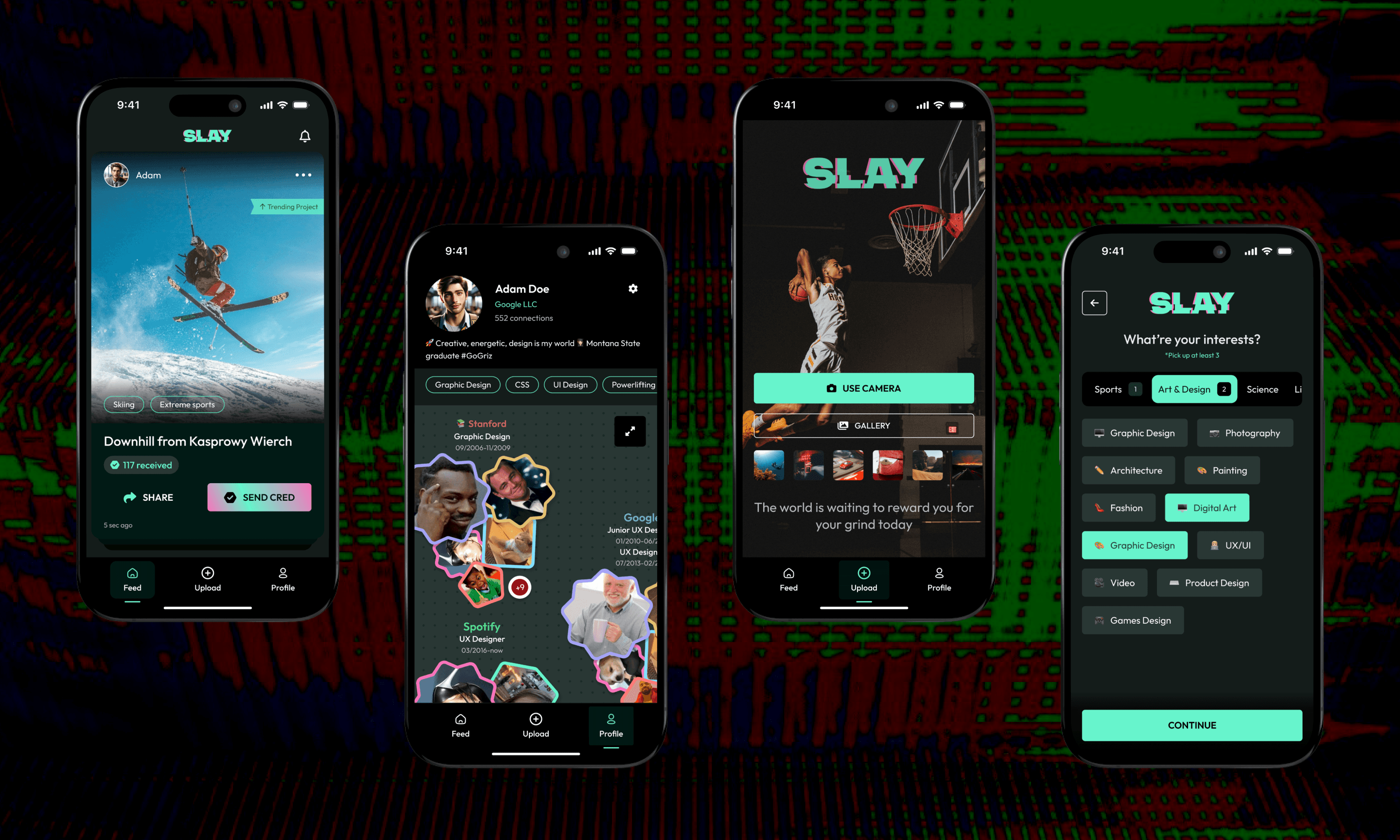
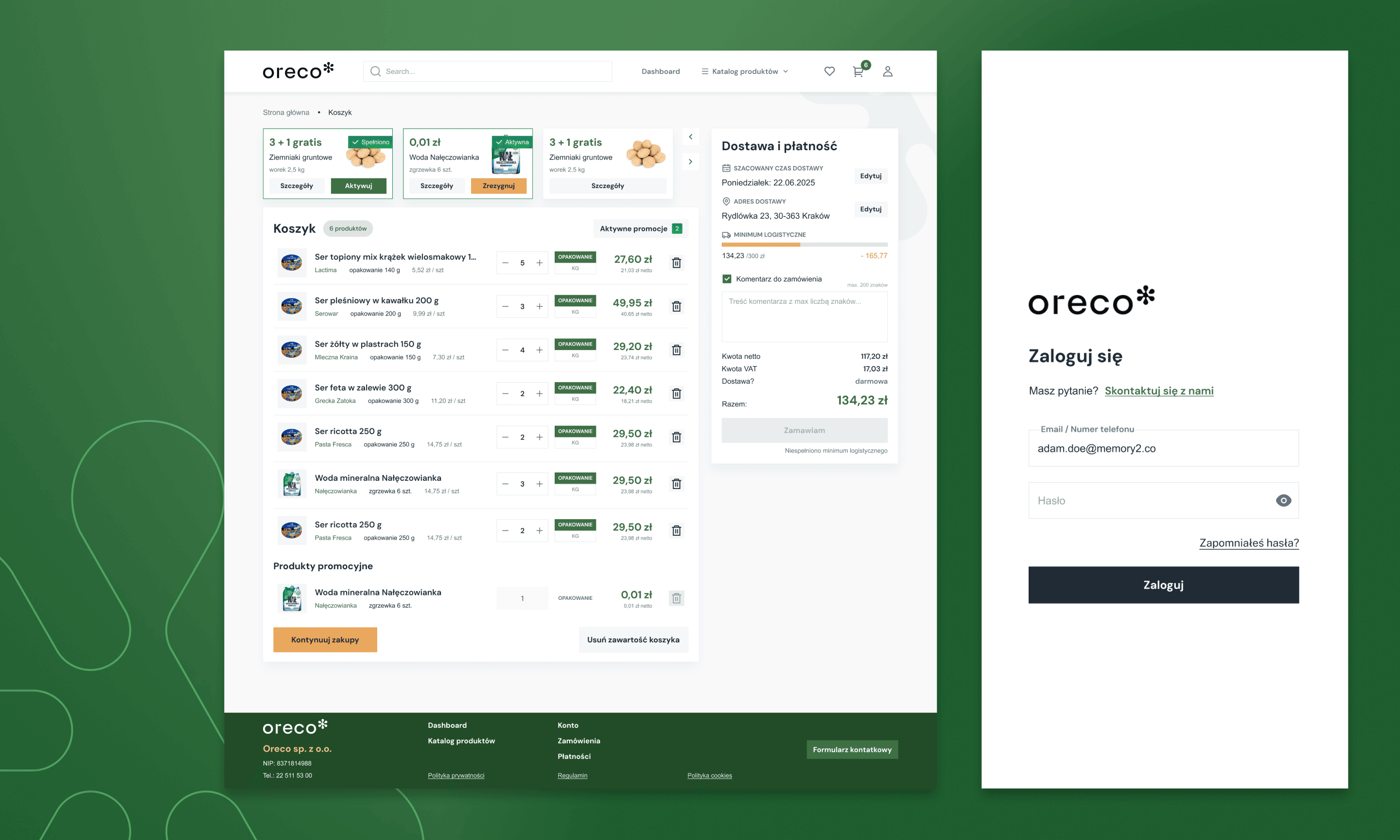
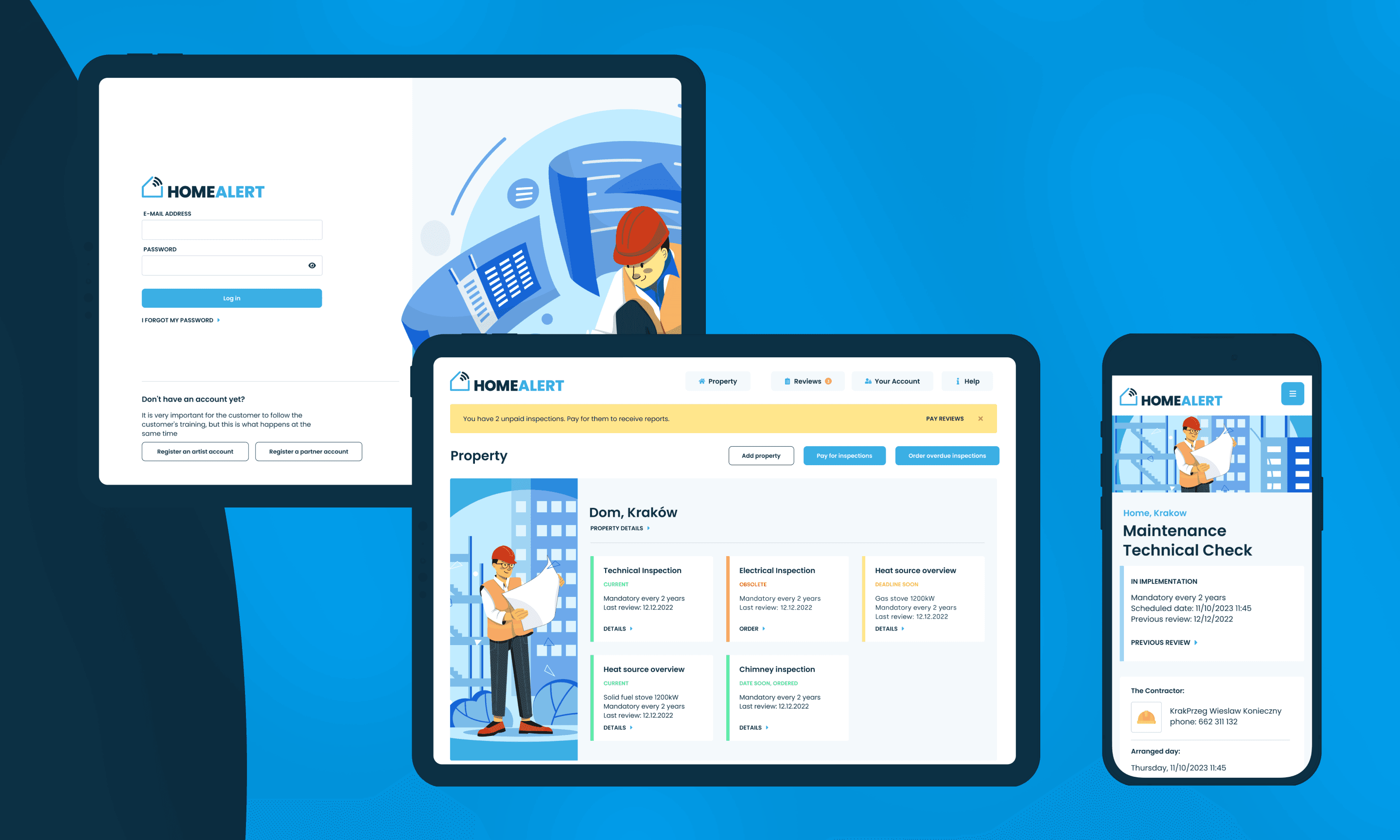
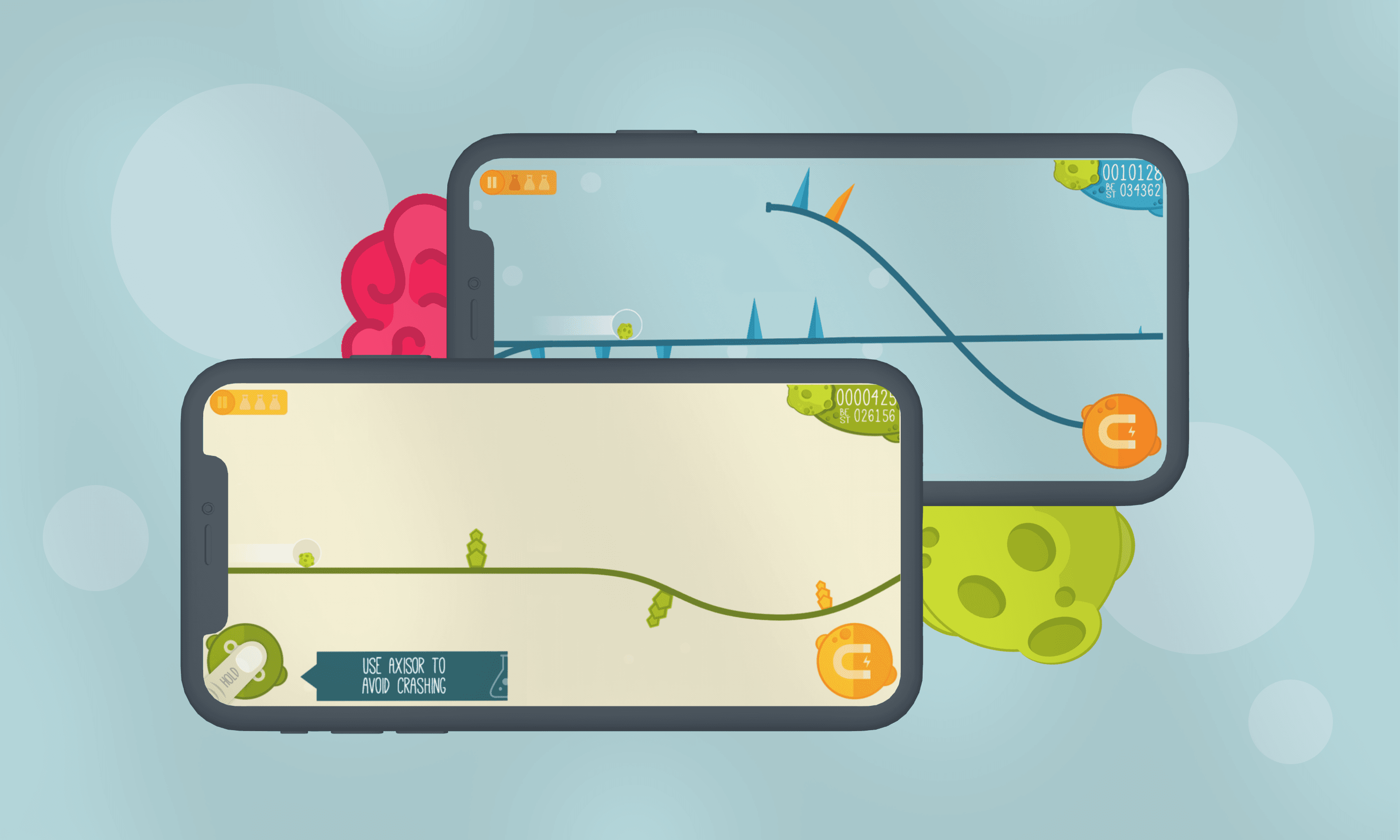
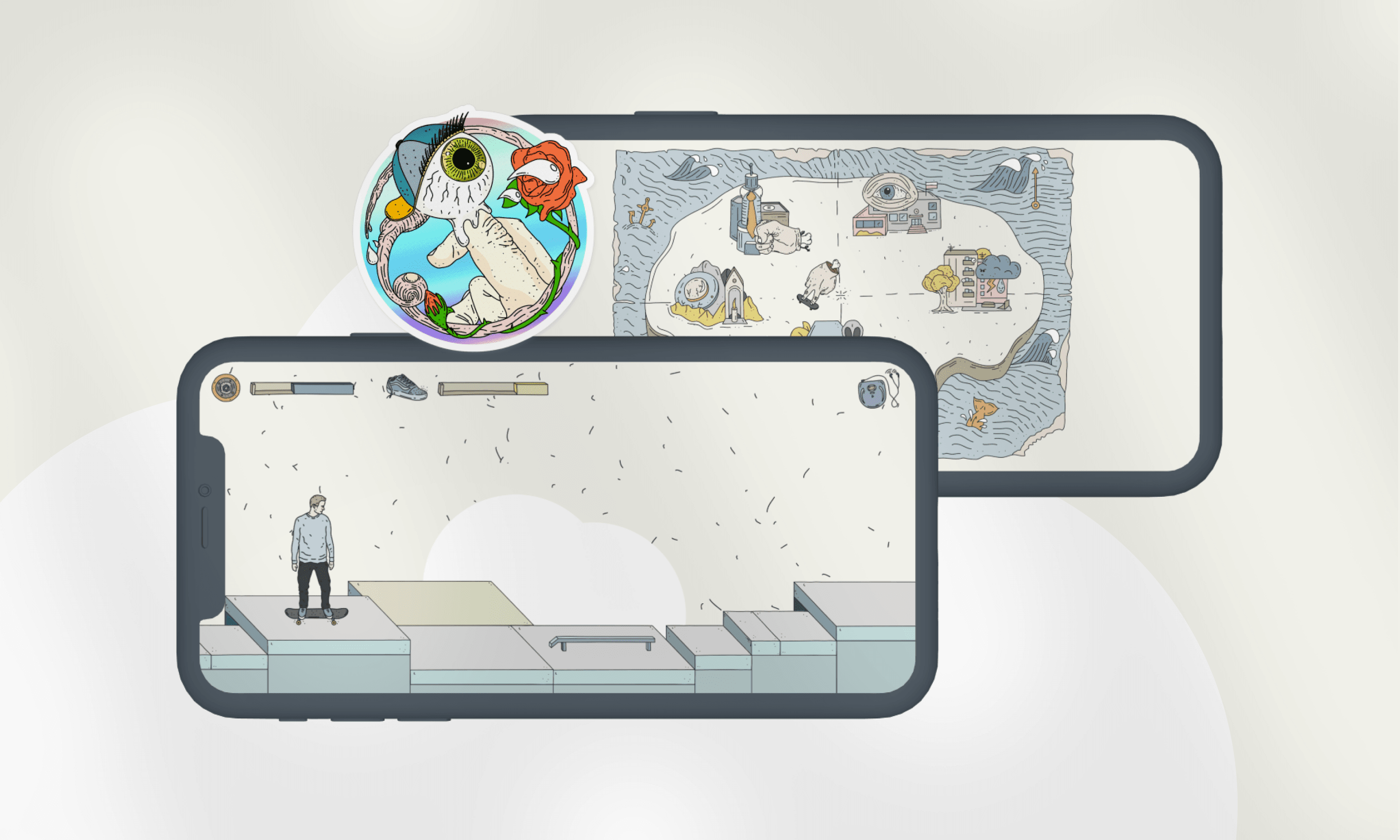
Across 10+ years we’ve delivered successful products across a wide range of industries and markets – including our own in-house success stories. Below is a quick sneak peek, but we’d love to dive deeper during a dedicated presentation.









Let's talk!
We’re excited to discuss your project and share our experience. You can book a quick meeting below or just drop us a line at: contact@memory2.co
Frequently Asked Questions
What types of IoT and wearable solutions do you build?
We design and develop connected ecosystems that combine hardware, mobile apps, and cloud platforms. This includes wearable companion apps, connected fitness products, industrial IoT dashboards, device management platforms, and systems that integrate firmware with user-facing applications.
Can you integrate mobile apps with hardware devices and sensors?
Yes. We specialise in Bluetooth Low Energy (BLE) and wireless integrations that enable secure, reliable communication between devices and mobile or web applications. This allows users to interact with hardware in real time, view data, and control connected products seamlessly.
How do you build a custom BLE integration with a connected device?
Building a custom BLE integration starts with understanding the capabilities and communication model of the connected device. This typically includes reviewing hardware specifications, firmware documentation, communication protocols, data structures, and expected user interactions.
The integration process involves establishing reliable device discovery and pairing mechanisms, implementing secure communication, handling real-time data exchange, managing connection stability, and designing intuitive user experiences around device interactions.
Because BLE integrations often involve both hardware and software components, close collaboration between firmware, mobile, and product teams is essential. A well-designed integration should account for connectivity challenges, battery efficiency, error handling, and long-term maintainability.
How do you ensure reliable communication between devices and software?
We design end-to-end architectures that account for connectivity, latency, offline behaviour, data synchronization, and security. By working closely with firmware and hardware teams, we ensure consistent performance between embedded systems and digital applications.
Can you build dashboards for monitoring IoT devices in real time?
Absolutely. We build industrial IoT dashboards that provide real-time visibility into device status, performance metrics, alerts, and operational data. These systems help businesses monitor fleets of devices and make faster, data-driven decisions.
What technologies are used to build wearable companion apps?
The right technology depends on the wearable device, target platforms, and required functionality. Most wearable ecosystems provide dedicated SDKs and APIs that allow companion applications to exchange data, manage device settings, and deliver user experiences across mobile and wearable devices.
Companion apps are commonly built for iOS and Android using either native technologies or cross-platform frameworks such as React Native. Modern wearable applications often integrate with health and fitness platforms, Bluetooth-connected devices, cloud services, notification systems, and analytics tools to provide seamless experiences across devices.
The most important consideration is not the technology itself, but designing an architecture that supports reliable communication, efficient battery usage, scalability, and a great user experience.
How do you integrate an app with Strava?
Integrating with Strava typically involves using Strava's APIs to securely exchange activity, fitness, and user data between your application and the Strava ecosystem. Depending on the use case, integrations can allow users to connect their accounts, synchronize workouts, import activity history, share achievements, or publish data generated by your product.
A successful integration requires more than simply connecting to an API. User consent, privacy considerations, data synchronization strategies, and experience design all play important roles in creating a seamless interaction between your application and the Strava platform.
When designed correctly, Strava integrations can enhance engagement for fitness, health, sports, and wearable products by connecting them to an ecosystem that users already trust and actively use.
How do you integrate hardware firmware with mobile or web applications?
Successful hardware integrations require coordination between firmware, backend systems, and user-facing applications. The first step is defining how data and commands will be exchanged between the device and software platforms.
Depending on the product architecture, communication may occur through Bluetooth, Wi-Fi, cellular connectivity, USB, cloud services, or other protocols. Once communication pathways are established, the focus shifts to creating APIs, synchronization mechanisms, security controls, and user experiences that make complex hardware interactions feel simple and reliable.
From a product perspective, users should not have to think about the underlying technology. The goal is to create a seamless experience where firmware, mobile applications, web platforms, and cloud services work together as a unified ecosystem while maintaining reliability, scalability, and security.
How do you manage device lifecycle and updates at scale?
We develop device management platforms that support provisioning, monitoring, remote configuration, and firmware updates. These systems are designed to scale across large device networks while maintaining security, reliability, and operational control.
Ready to discuss your project?
We will be happy to get to know your ideas and consult on your project.